
Travel guides and resources
Malaysia
Where the Old World Walks Beside the New
Information and links
Quick facts
🏙️ Capital City: Kuala Lumpur (Administrative capital: Putrajaya)
🗣️ Main Language: Bahasa Malaysia (Malay); English widely spoken
🕌 Main Religion: Islam (≈63.5%)
🕒 Time Zones: GMT +8 (Malaysia Time) — no daylight saving
👥 Population: ~34–35 million
Money and Payment
🪙 Currency: Malaysian Ringgit (MYR)
🏧ATMs widely available in major towns; less common in remote rural areas.
Contactless payments are common
💵 Cards accepted in hotels & malls; cash preferred in markets and small eateries
🎁Tipping is not customary, but rounding up or 5–10% for good service is appreciated
Climate and Weather
☀️ Southwest Monsoon: May–Sep (less intense)
🌧️ Northeast Monsoon: Nov–Feb (wettest on East Coast & Borneo)
🌡️ Temperatures generally 31–33°C daytime, 24°C nights depending on region
🏝️ Equatorial tropical climate year‑round (hot, humid, consistent daylight)
Health and Safety
🦟Use mosquito repellent (dengue present; malaria risk mainly in deep forest areas)
🚰 Drink bottled or filtered water
🚨 Emergency Numbers:
General Emergency: 999 (Police / Fire / Ambulance)
Disaster Helpline: 03‑8064 2400
Transport
✈️ Domestic flights common
AirAsia
🚕 Grab widely used for city transport
⛴️ Ferries/boats frequent but weather‑dependent
Link
Trains
Connectivity
📶 Cheap local SIMs: Digi, Maxis/Hotlink, Celcom
eSIM options available (Airalo, Nomad, Holafly)
🌐 Fast internet in cities; slower in rural Sabah & Sarawak
☎️ Telephone Code: +60
Cultural Etiquette
🙏 Dress modestly at religious sites
🤝 Use your right hand for giving/receiving
👞 Remove shoes when entering homes or sacred buildings
Entry and visas (from UK)
🛬 Visa-free entry usually available for UK passport holders for tourism (up to 90 days)
📘 Passport must have 6 months validity
Must apply for a Malaysia digital arrival card (MDAC) three days before arrival. https://imigresen-online.imi.gov.my/mdac/main
Public Holidays - Key 2026 TO UPDATE|
January 1: New Year’s Day
January 16: Isra Mi’raj (Prophet Muhammad’s Ascension)
February 17: Chinese New Year (Imlek)
March 19: Nyepi Day (Bali Day of Silence)
March 20-21: Idul Fitri (End of Ramadan)
April 3: Good Friday
May 1: International Labor Day
May 14: Ascension of Jesus Christ
May 27: Idul Adha
May 31: Waisak Day (Buddha’s Birthday)
June 1: Pancasila Day
June 16: Islamic New Year
August 17: Independence Day
August 25: Prophet Muhammad’s Birthday
December 25: Christmas Day
Collective Leave Days (Cuti Bersama) 2026
Feb 16: Chinese New Year
Mar 18 & Mar 20–24: Nyepi and Idul Fitri
May 15 & May 28: Ascension/Idul Adha
Dec 24: Christmas Eve
Need a title
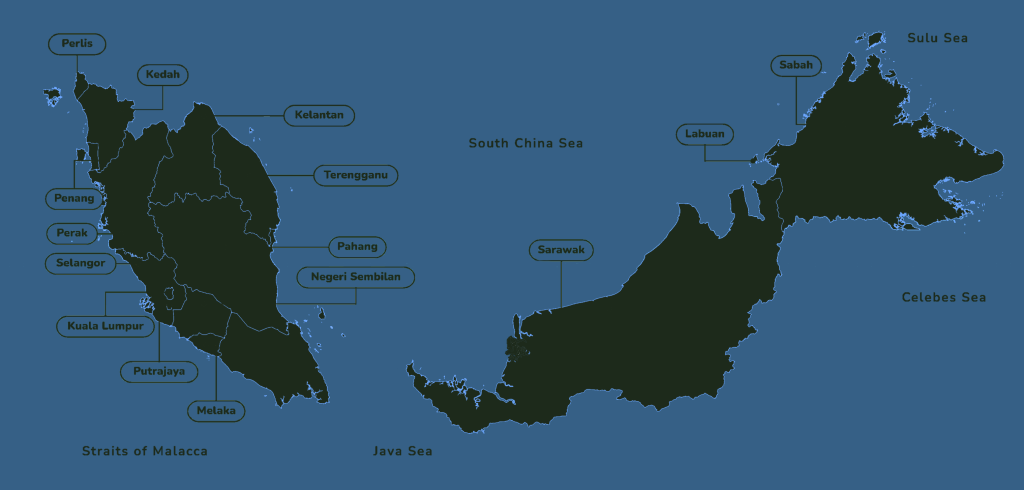
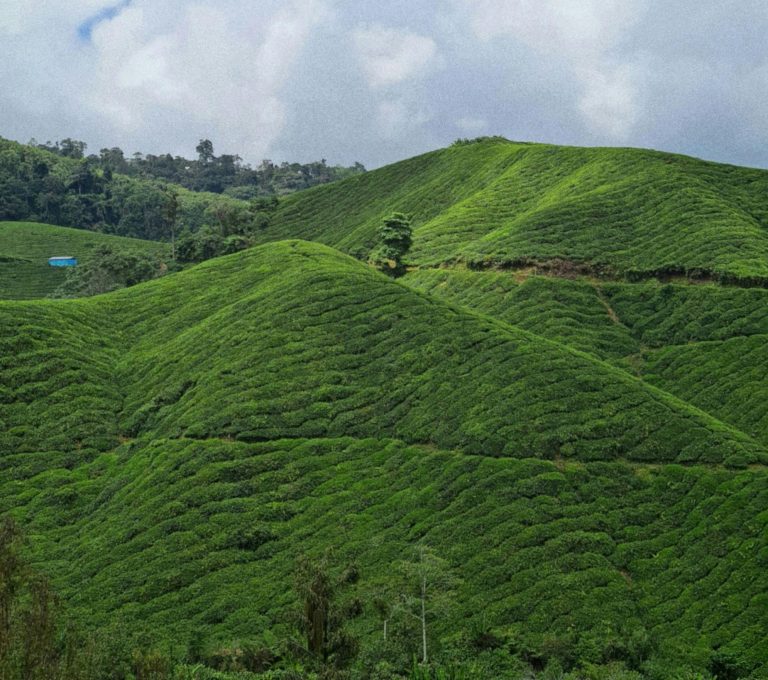
Malaysia stretches across two distinct worlds, divided by the South China Sea. To the west lies Peninsular Malaysia, a slender finger of land connected to mainland Asia, where bustling cities rise between limestone hills, mangrove-fringed coastlines, and fertile plains. The backbone of the peninsula is the Titiwangsa Range, a chain of emerald mountains swathed in cloud forest, feeding rivers that wind toward the Malacca Strait and the Gulf of Thailand. Tea plantations cover the cool highlands, coral-ringed islands scatter along the east coast, and dense rainforest shelters tapirs, elephants, and one of the world’s oldest ecological systems.
Across the sea lies Malaysian Borneo—Sabah and Sarawak—wild, majestic, and deeply rooted in indigenous tradition. Mount Kinabalu, the highest peak in Southeast Asia, towers above rainforest and orchid-filled valleys, vast river networks cut through ancient jungle, meandering past longhouse communities and into the heart of some of Earth’s richest biodiversity. The geography here is dramatic and untamed—limestone pinnacles, hidden caves, swamp forests, and coastlines where the South China Sea meets the Sulu and Celebes Seas. Together, these landscapes form a country of two halves, each distinct yet bound by the same warm climate, lush greenery, and the enduring rhythm of tropical life.
Interesting fact box and need a better map
The Long Arc of Malaysian History
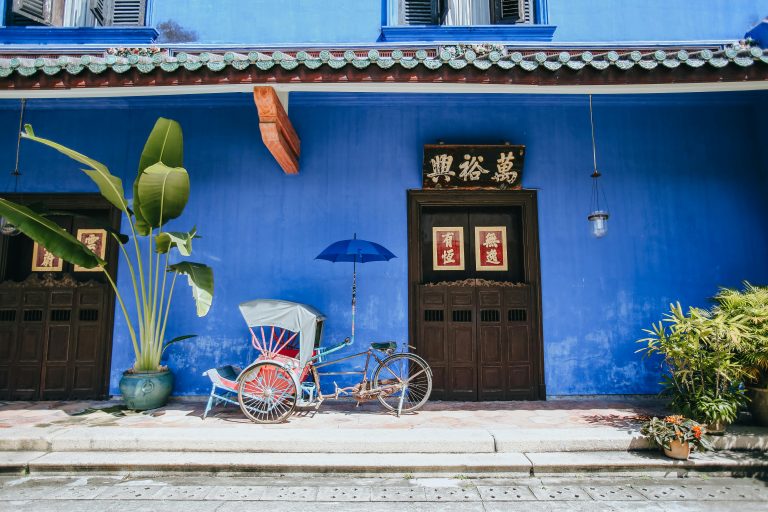
To travel through Malaysia is to journey through centuries of maritime trading, colonial ambitions, cultural exchanges, and the remarkable resilience of local communities. The modern nation—officially established in 1963—is the outcome of shifting powers, daring political experiments, and the unification of lands stretching from the peninsula to the deep rainforests of Borneo. Grasping this layered history enriches every trip, whether you’re exploring George Town’s historic shophouses or cruising along Sarawak’s rivers.
From Trading Kingdoms to Colonial Crossroads
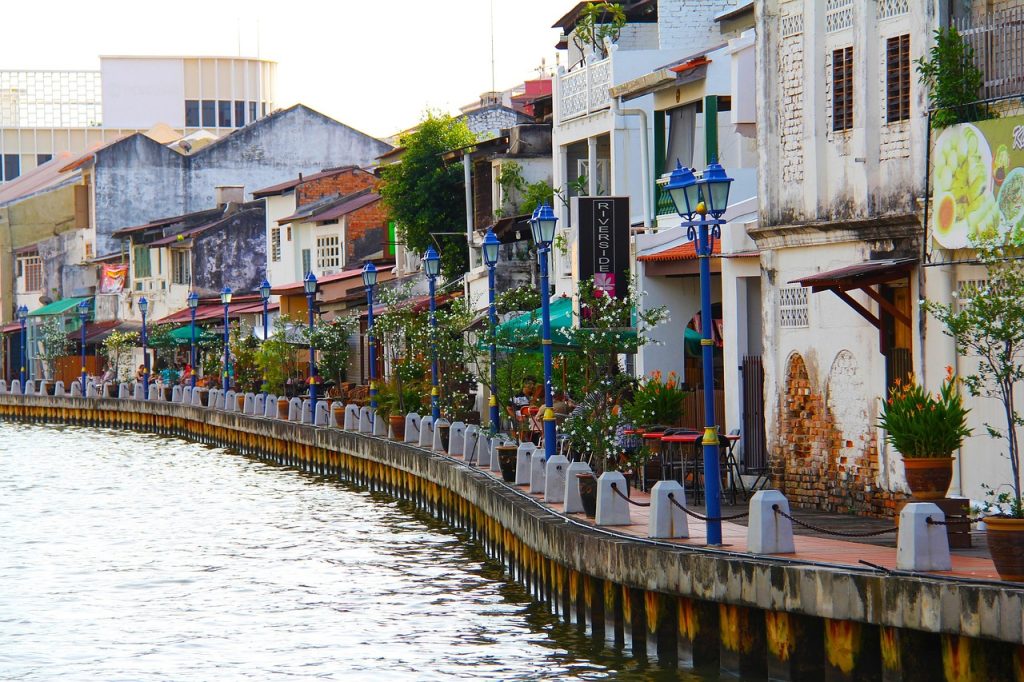
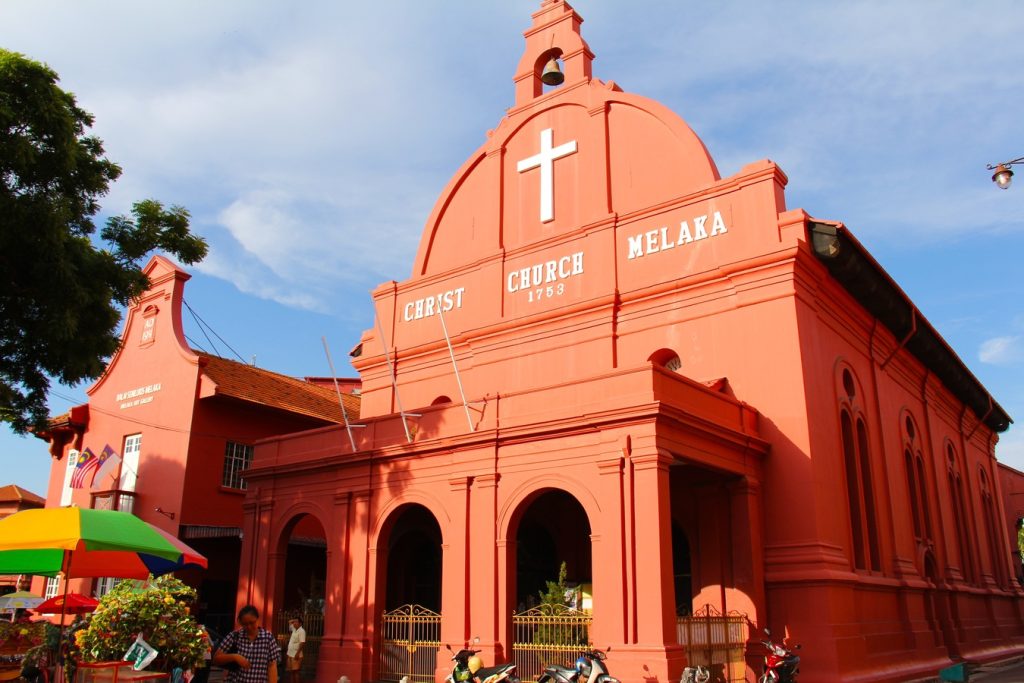
Long before European ships arrived, the Malay Peninsula and Borneo were thriving hubs of global commerce. The ancient Malacca Sultanate presided over one of Asia’s busiest ports, drawing merchants from China, India, Arabia, the Malay Archipelago, and beyond. Whoever controlled Malacca controlled a vital link in the spice and silk routes — so it was inevitable that European empires would come calling.
The Portuguese Arrival (1511 – 1641)
The Dutch Interlude (1641 – 1824)
In 1641, the Dutch East India Company, supported by Malay allies, wrested control from the Portuguese. Hopes that the Malacca Sultanate would be restored faded quickly. Instead, the Dutch established new trade regulations and secured their own commercial interests across the peninsula.
Their rule lasted over 180 years —until a rising naval power arrived from the West.
The British Era: The Empire Arrives
The Anglo-Dutch Treaty of 1824
This pivotal agreement divided Southeast Asia into distinct spheres of influence:
- Britain controlled the Malay Peninsula
- The Dutch dominated what is now Indonesia
The treaty shaped the map of maritime Southeast Asia much as we know it today.
The British implemented different forms of control across Malaya. In the Straits Settlements, they exercised direct colonial rule. In the east-coast sultanates, they maintained a more indirect control, with the Malay sultans retaining their symbolic status. In Borneo, British control was often exercised through family or corporate entities. Although the British administration faced prolonged resistance, the most notable was the “Mat Salleh Rebellion” (1894–1905), led by a local chief named Datu Muhammad Salleh, who fought against the expanding control of the British North Borneo Chartered Company.
British rule brought significant social and economic changes to the region. The British believed in protecting rural Malay farmers from economic and cultural change. It was the railways, tin mines and rubber estates that powered a booming colonial economy, drawing large-scale migration from China and India.
By the early 20th century Malaya was the world’s largest producer of tin and one of the top producers of rubber.
The demographic mix that defines Malaysia today—Malay, Chinese, Indian, and indigenous communities—was largely shaped during this era.
Thanks to the British:
- Railways stitched the peninsula together
- Kuala Lumpur grew from a tin settlement into the colonial capital
- Port areas like Penang and Singapore flourished
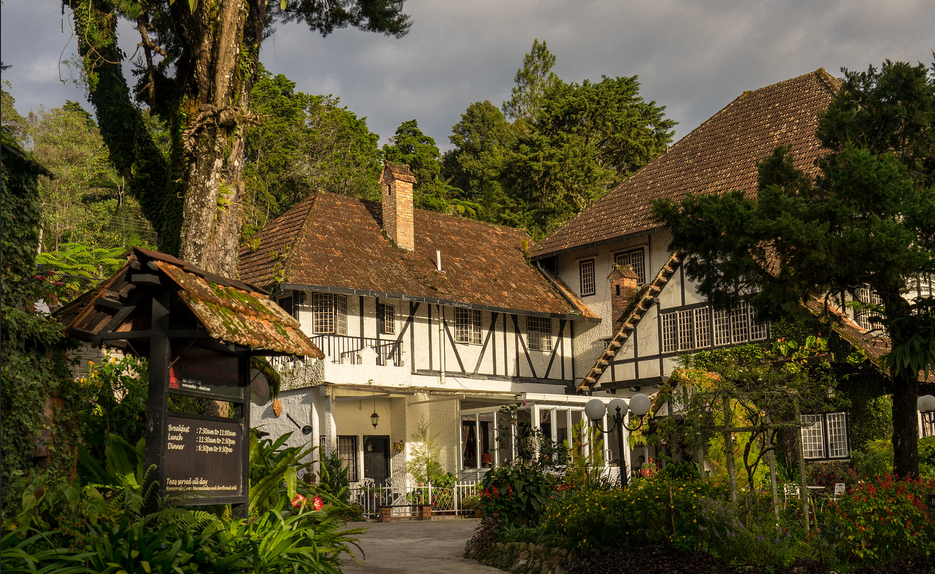
- Hill stations like Cameron Highlands became elite retreats.
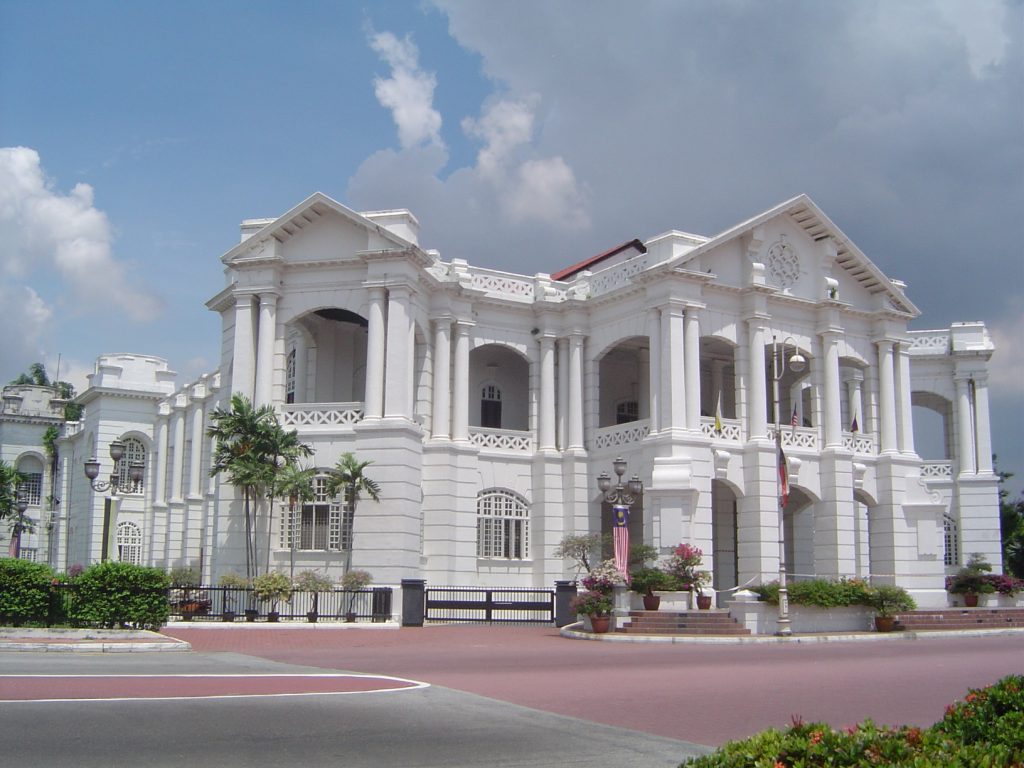
Much of the architecture seen today—mock-Tudor bungalows, clock towers, courthouses—largely dates from this era.
Japanese Occupation (1941–1945) and Independence
Tunku Abdul Rahman’s Vision
The concept of a united “Malaysia” emerged in 1961, championed by Tunku Abdul Rahman, the first Prime Minister of Malaya. The proposed federation would link Malaya, Singapore, Sarawak, North Borneo (Sabah), and Brunei, creating a larger political and economic unit at a moment when Cold War tensions were sharpening across Southeast Asia.
But unity would not come easily.
- Brunei withdrew shortly before the Malaysia Agreement (MA63) was signed in London on 9 July 1963, amid local opposition and a brief uprising by the North Kalimantan National Army, who wanted independence rather than federation.
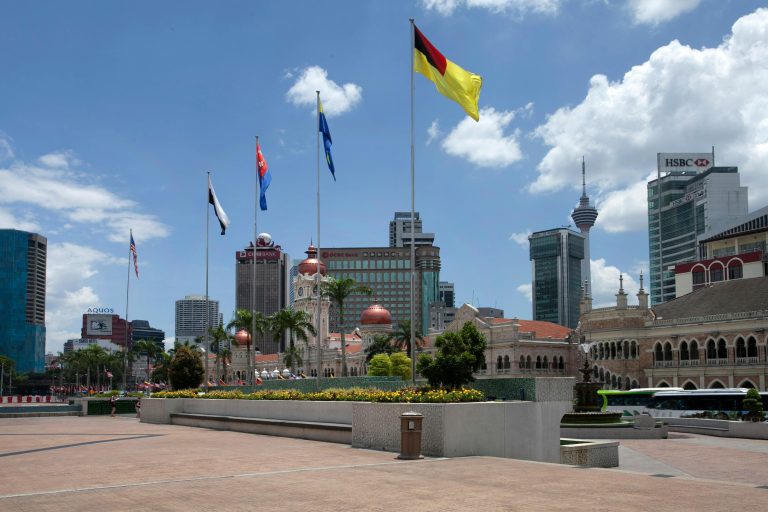
- Singapore, initially part of the new Malaysia formed on 16 September 1963, separated just two years later on 9 August 1965, becoming a fully independent state.
Externally, Malaysia’s formation triggered fierce opposition from Indonesia under President Sukarno. The period known as the Konfrontasi (1963–1966) saw cross-border raids, bombings, and jungle skirmishes in Borneo. The conflict ended only after a failed coup in Jakarta in 1965 shifted power to General Suharto, who moved quickly to normalise relations.
Despite these early challenges, Malaysia emerged from the turmoil with a strengthened sense of national identity and the foundations of the multicultural society it is known for today.
Climate: Warm, Humid, and Tropical All Year
Tropical Climate: Located just north of the equator, Malaysia stays hot, humid, and rainy year‑round, with temperatures typically hovering between 21°C and 32°C in most regions. This warm, stable climate is thanks to its equatorial location and maritime influences.
Monsoon Seasons Instead of “Wet and Dry”: Malaysia doesn’t have a true dry season, but it does experience two monsoon systems that shape rainfall patterns across the country:
Northeast Monsoon (Nov–Mar):
Brings heavy rainfall, especially to the east coast of Peninsular Malaysia and parts of Sabah and Sarawak. Flooding can occur in some regions.Southwest Monsoon (May–Sep): Generally less intense, with lighter rainfall, especially on the west coast. More sunshine and clearer days make this a popular time for travel.
Between these monsoons are inter‑monsoon periods, which can still bring short, intense rain showers.
Temperature: Temperatures remain warm and constant year‑round, typically around 27°C on average. Even during seasonal shifts, the difference is minimal — Malaysia simply stays warm. Higher elevations (like the Cameron Highlands) offer cooler relief, but the lowlands remain tropical.
Religious Landscape of Malaysia
Biodiversity: One of the World’s Great Natural Treasures
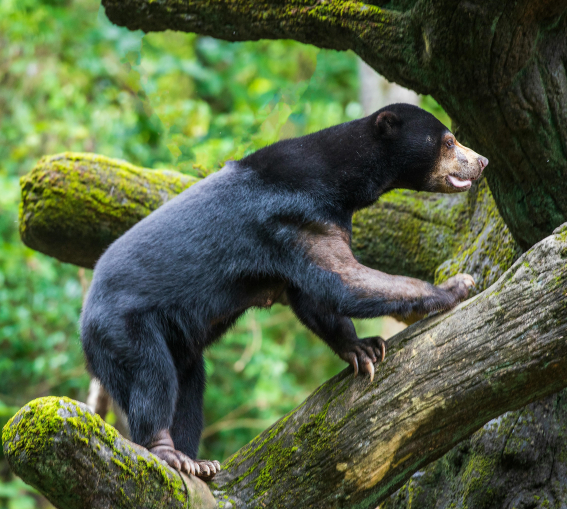
Malaysia ranks 12th globally for its richness of species and endemism. Its ancient tropical rainforests — some over 130 million years old — support extraordinary diversity, including an estimated 15,000 species of vascular plants, 306 mammals, 742 birds, 567 reptiles, 242 amphibians, and more than 150,000 invertebrate species, along with rich marine life such as coral reefs, seagrass beds, and mangrove ecosystems. Around 60% of Malaysia’s land area remains forested, and large portions of both terrestrial and marine environments are protected through national parks and marine park systems across Peninsular Malaysia, Sabah, and Sarawak.
Borneo
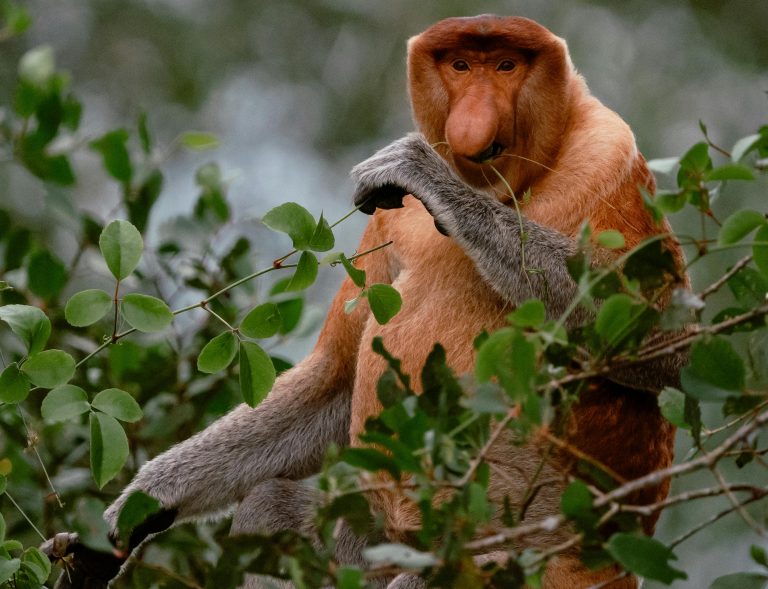
Borneo — shared by Malaysia (Sabah and Sarawak), Indonesia, and Brunei — is one of the most biologically rich places on Earth and a key contributor to Malaysia’s status as a megadiverse nation. Its rainforests host thousands of unique and highly adapted species, many of which are found nowhere else. Among Borneo’s iconic indigenous species, the Bornean orangutan, proboscis monkey, and Bornean pygmy elephant stand out as emblematic of the island’s evolutionary uniqueness. The region’s lowland and montane forests also harbour extraordinary floral diversity, including rare orchids, carnivorous pitcher plants, and ancient dipterocarp trees that form the backbone of Borneo’s rainforest structure.
Despite these natural riches, Malaysia’s biodiversity faces significant pressures, including land development, pollution, poaching, invasive species, and climate change. In response, the government has committed to ambitious conservation goals under the National Policy on Biological Diversity 2022–2030, aiming to expand protected areas, restore degraded ecosystems, and integrate biodiversity into national planning frameworks. Innovative tools like AI‑enabled wildlife monitoring and satellite-based forest tracking are increasingly used to enhance conservation efforts and combat threats such as illegal logging.