

Travel guides and resources
Singapore
Where Tradition and Modernity Thrive
Information and links
Quick facts
🏙️ Capital City: Singapore
🗣️ Official Languages: English (primary), Malay, Mandarin, Tamil
🕌 Main Religion: Buddhism (largest), with Christianity, Islam, Taoism and Hinduism also widely practised
🕒 Time Zones: GMT +8
👥 Population: 5.9 million
Money and Payment
🪙 Currency: Singapore Dollar (SGD, S$)
🏧 ATMs widely available
💵 Cards and mobile payments are widely accepted
🎁Not expected; most restaurants add a 10% service charge and GST
Climate and Weather
☀️ Driest Period: February–April
🌧️ Wettest Period: November–January (monsoon season)
🌡️ Average Temperatures: 25°C–31°C
🏝️ Best Source of Weather Information: Meteorological Service Singapore (MSS)
Health and Safety
🚰 Safe to drink from the tap
🚨 Emergency Numbers:
Police: 999
Ambulance and Fire: 995
Transport
✈️ Domestic flights common across islands
Link
🚕 Gojek & Grab for city travel
Link
⛴️ Ferries/boats frequent but weather‑dependent
Link
Trains
Link
Connectivity
📶 Cheap local SIM cards (Telkomsel, XL, Indosat) or eSIM such as Airalo
🌐 Internet Speed: Very fast (among the world’s fastest)
☎️ Telephone Code: +65
Cultural Etiquette
🙏 Dress modestly at religious sites
🤝 Respect laws and public rules
👞 Queue patiently!
Entry and visas (from UK)
🛬 No visa required for short stays (up to 90 days).
Singapore Arrival Card (SGAC) must be completed online prior within three (3) days (including the day of arrival) before arrival in Singapore.
📘 Passport must have 6 months validity
Public Holidays - Key 2026 Indonesia Public Holidays
January 1: New Year’s Day
February 17 and 18: Chinese New Year
21 March — Hari Raya Puasa
April 3: Good Friday
May 1: Labour Day
May 27: Hari Raya Haji
May 31: Vesak Day (Observed on Mon 01 June)
August 09: National Day (Observed on Mon 10 August)
November 08: Deepavali (observed on Mon 09 November)
December 25: Christmas Day
From Ancient Harbour to Modern Marvel
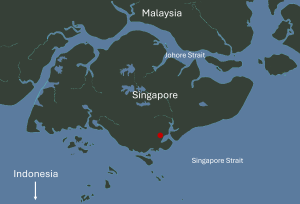
Where Indonesia spans about 5,100km—12% of the Earth’s circumference, Singapore is a pinprick, just south of the Johor Strait at the tip of the Malay Peninsula. It boasts extraordinary cultural depth, modern efficiency, and a rich maritime heritage within a compact, diamond-shaped island of 18 square miles (plus 60 surrounding islets). Today, the city-state ranks among the world’s busiest ports and a powerhouse of global finance, technology, and innovation—yet its roots stretch back over two millennia.
A Short History of Singapore
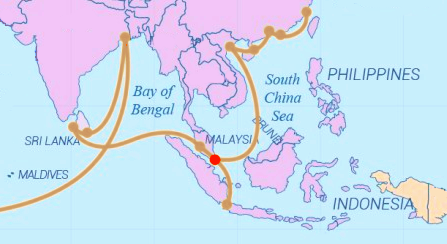
Singapore has had a role in maritime trade networks for more than 2,000 years with traders from various parts of Asia settling there. Over time it emerged as a strategic location where traders from both India and China met. In January 1819 Sir Stamford Raffles of the English East India Company and Governor of Java, identified Singapore as a potential commercial centre and port and the Sultan Hussein of Johor allowed the company to purchase land on the island. In 1824 the whole of Singapore Island was ceded to the British and in 1867 it became a crown colony of the British Empire under direct rule from London. In the second half of the 19th century, the port expanded, new shipping and trading companies emerged, and more foreign and joint venture shipping companies established a presence. A more detailed review of the history of the port development on Singapore can be found on a blog on the Riviera website.
Singapore is now the second busiest port in the world in terms of shipping tonnage and is only behind Shanghai in terms of containers handled. Its strong economy and international trade have led it to become a wealthy country with a high income. Singapore built its economy on assembling electrical items and oil refining. From the 1970s, the government invested in export- and trade-led growth, and it became a world leader in electronics, pharmaceuticals and financial services. More recently, it has sought to encourage tourism, as well as innovation and research in high-tech sectors such as biotechnology. The country’s business-friendly policies and strategic location mean in 2024 it is the fourth richest country in the world and makes it one of the world’s most expensive cities to live in and visit.
Early Beginnings: Temasek and the Lion City
Long before skyscrapers filled its skyline, the island was known as Temasek—a coastal settlement inhabited by fishermen, seafarers, and pirates. Owing to its natural harbour and strategic position on the ancient trading routes, it became a point of contact for traders from China, India, and Malaysia.
In the 14th century, the settlement acquired the name Singapura (“Lion City”). Legend attributes the name to a Sumatran prince, Sri Tri Buana, who supposedly saw a lion (more likely a tiger) upon landing on the island and took it as a promising omen.
Rise as a Trading Hub
Singapore’s significance grew through centuries of Asian maritime trade. Its natural position between the Indian Ocean and the South China Sea made it the perfect meeting point for merchant fleets travelling between India and China.
British Singapore
The modern chapter began in 1819, when Sir Stamford Raffles, representing the British East India Company, recognised Singapore as an ideal commercial outpost. With the support of Sultan Hussein of Johor, he established a British trading post on the island.
By 1824, the entire island had been ceded to Britain, and in 1867, Singapore became a Crown Colony governed directly from London. During the late 19th century, the port expanded rapidly, attracting immigrants and commercial enterprises from across Asia and beyond.
Singapore Today
Modern Singapore is a global logistics and maritime giant—second only to Shanghai in container volume. Its economic rise has been propelled by electronics, oil refining, pharmaceuticals, finance, research, high‑tech manufacturing, and, increasingly, tourism. With business‑friendly policies and a highly educated population, Singapore is now one of the wealthiest and most expensive cities on earth.
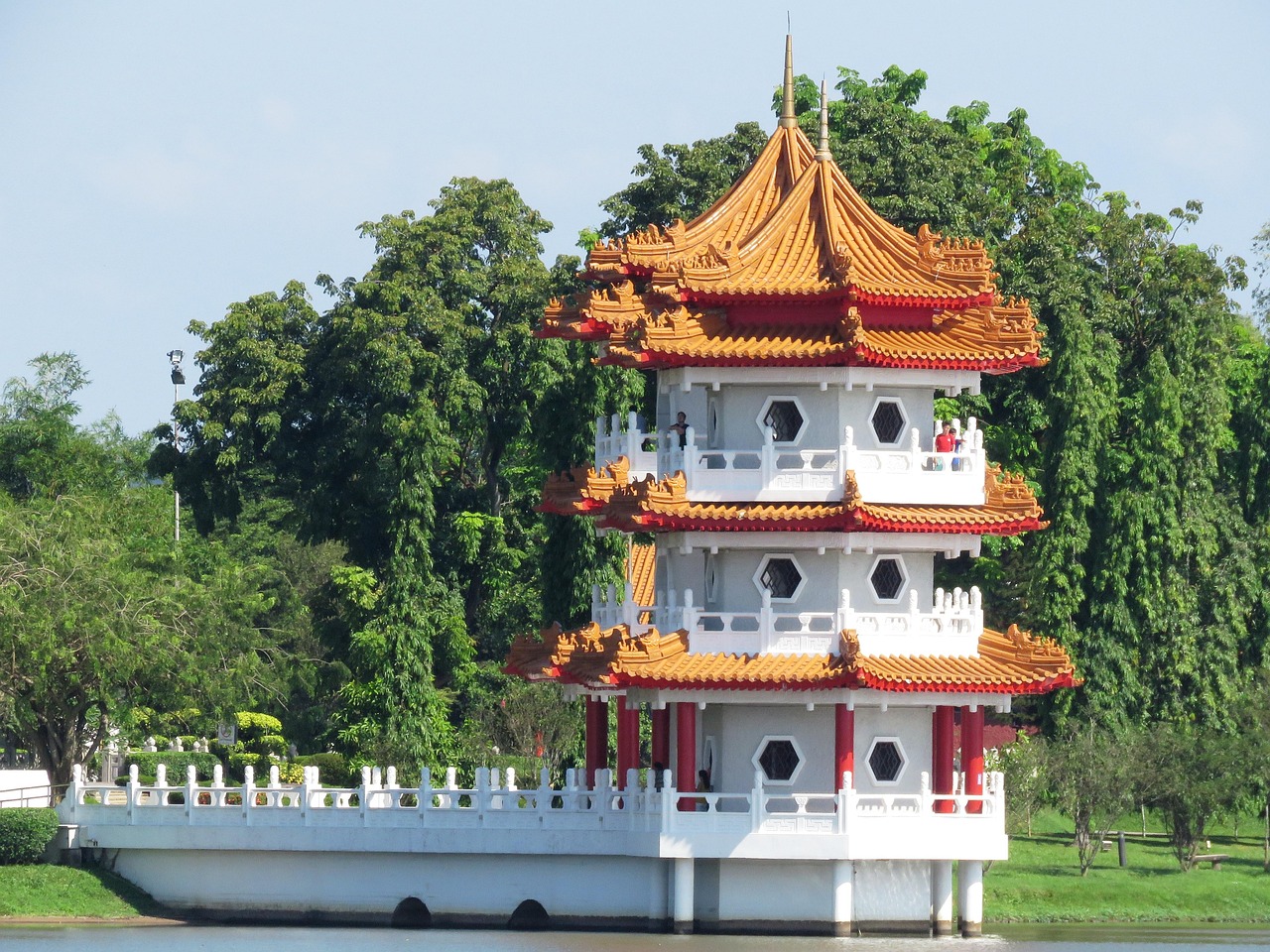
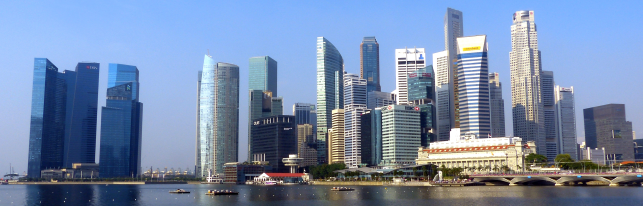
Spiritual Traditions of Singapore
Landmarks of The Lion City
Marina Bay Sands
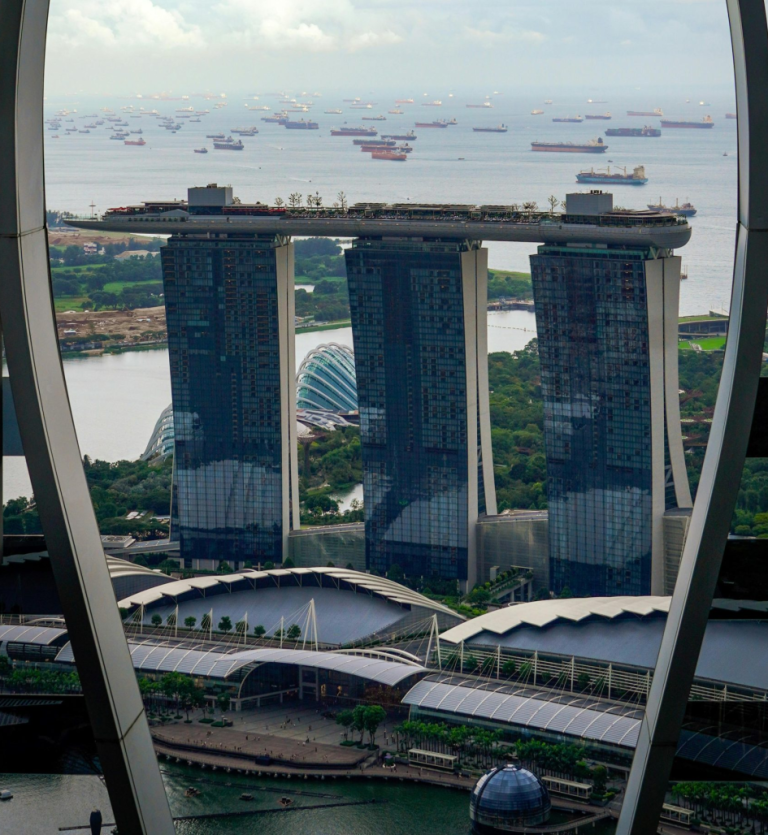
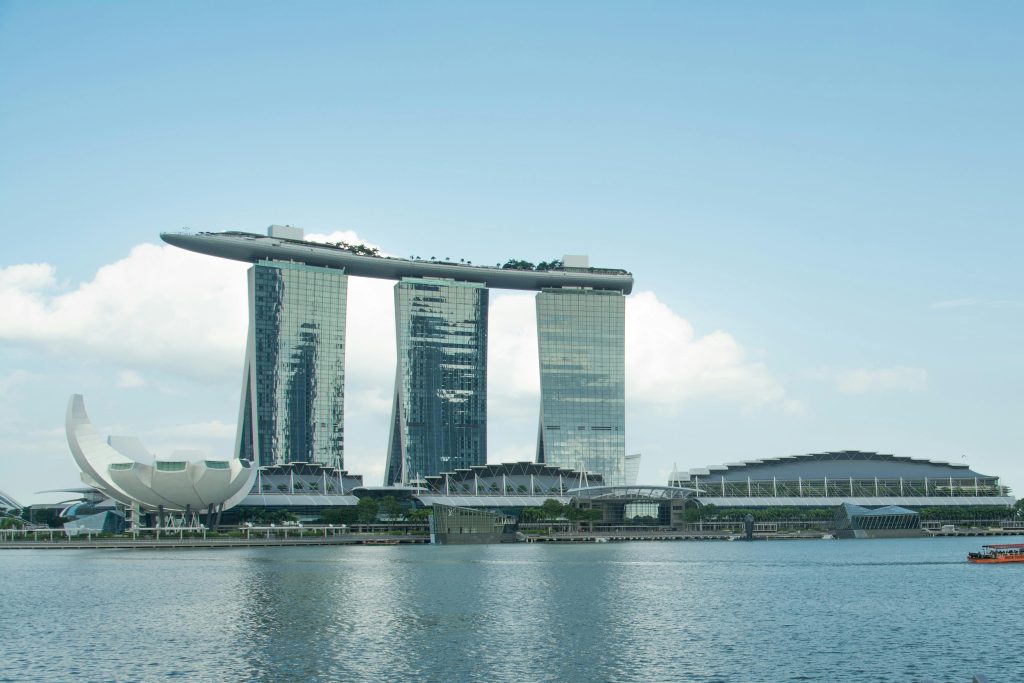
Opened in 2010, Marina Bay Sands is one of Singapore’s most recognisable landmarks, symbolising the nation’s rapid transformation into a global city. The integrated resort features three soaring towers topped by a dramatic SkyPark, offering panoramic views of the skyline. It houses luxury hotels, shopping, dining, entertainment, and the famous infinity pool (open to hotel guests only), making it a centrepiece of modern Singapore.
Visiting Notes:
Best time to visit: Late afternoon into early evening is ideal if you want to see the city in daylight and stay for sunset as the skyline lights up. Midday can be very hot and hazy, while evenings after dark are cooler but busier.
Weather matters: The deck is outdoors and largely exposed. Go on a clear day if possible—cloud cover or rain can limit views, and the deck may temporarily close during thunderstorms.
What to wear: Light, breathable clothing is best due to heat and humidity. Comfortable shoes are recommended as you’ll be standing and walking for most of the visit. Bring sun protection if visiting earlier in the day.
Photography tips: Tripods are not allowed, and glass barriers can cause reflections. Press your lens close to the glass or shoot at a slight angle for clearer photos. Sunset offers the most dramatic shots over Marina Bay.
Pool access note: The famous infinity pool is only accessible to hotel guests. The observation deck still offers excellent views, but expectations are best set before arriving.
Allow enough time: Plan around 45–60 minutes. The views are impressive but the space is compact, and most visitors circulate once or twice before leaving.
Crowds: Expect queues during peak hours, especially weekends and sunset. Early morning is quieter but less visually striking.
Facilities: Toilets are located before entry. There is limited shade and no cafés on the deck itself—grab water beforehand.
Getting there: Marina Bay Sands is easily accessible via the MRT at Bayfront Station (CE1/DT16). From the station, simply follow the signs through The Shoppes and take the lift up to the SkyPark. Taxis and Grab are also plentiful and convenient, with access available via the Hotel Tower 3 driveway.
The SkyPark is open daily from 10 am to 10 pm, and ticket prices start from S$20.80 (£12), with further concessions available for visitors aged 60 and above. To book tickets, visit Marinabaysands.com
Accessibility: Lifts provide step-free access to the deck, making it suitable for visitors with limited mobility.
Gardens by the Bay
Developed as part of Singapore’s vision to become a “City in a Garden,” Gardens by the Bay opened in 2012 on reclaimed land. Its futuristic Supertrees, vertical gardens, and climate‑controlled domes showcase rare plant species from around the world. The attraction blends sustainability, innovation, and nature, reflecting Singapore’s commitment to green urban living.
As night falls, Gardens by the Bay transforms into one of Singapore’s most magical sights. The towering Supertrees glow with vibrant colours and come alive during the nightly Garden Rhapsody light and music show, creating a futuristic spectacle against the city skyline. Illuminated pathways, reflective waters, and the softly lit domes add to the atmosphere, making the gardens a peaceful yet unforgettable nighttime experience that perfectly captures Singapore’s blend of nature, technology, and imagination.
Visiting Notes:
Best time to visit: Early morning is best for exploring the outdoor gardens in cooler temperatures and with fewer people. Late afternoon into evening works well if you want to combine the conservatories with sunset and the Supertree lights later on. Midday can be uncomfortably hot outside.
Plan your areas: Gardens by the Bay is large and split into zones. The outdoor gardens are free and great for wandering, while the Flower Dome and Cloud Forest require tickets. Decide in advance what you want to see to avoid backtracking.
Conservatories tip: The Flower Dome is bright, dry, and relaxed; the Cloud Forest is cooler, darker, and more dramatic with mist and waterfalls. Start with the Cloud Forest while it’s quieter, then move to the Flower Dome.
Dress for contrast: It’s hot and humid outside, but the conservatories are air-conditioned. Light clothing is ideal but bring a thin layer if you feel the cold indoors.
Expect walking: Distances are longer than they appear on the map. Comfortable shoes are essential, especially if you plan to walk between conservatories, Supertrees, and Marina Bay.
Supertree Grove: Worth visiting both during the day and after dark. The Garden Rhapsody light show runs nightly and lasts about 10–15 minutes—check showtimes in advance and arrive early for a good spot.
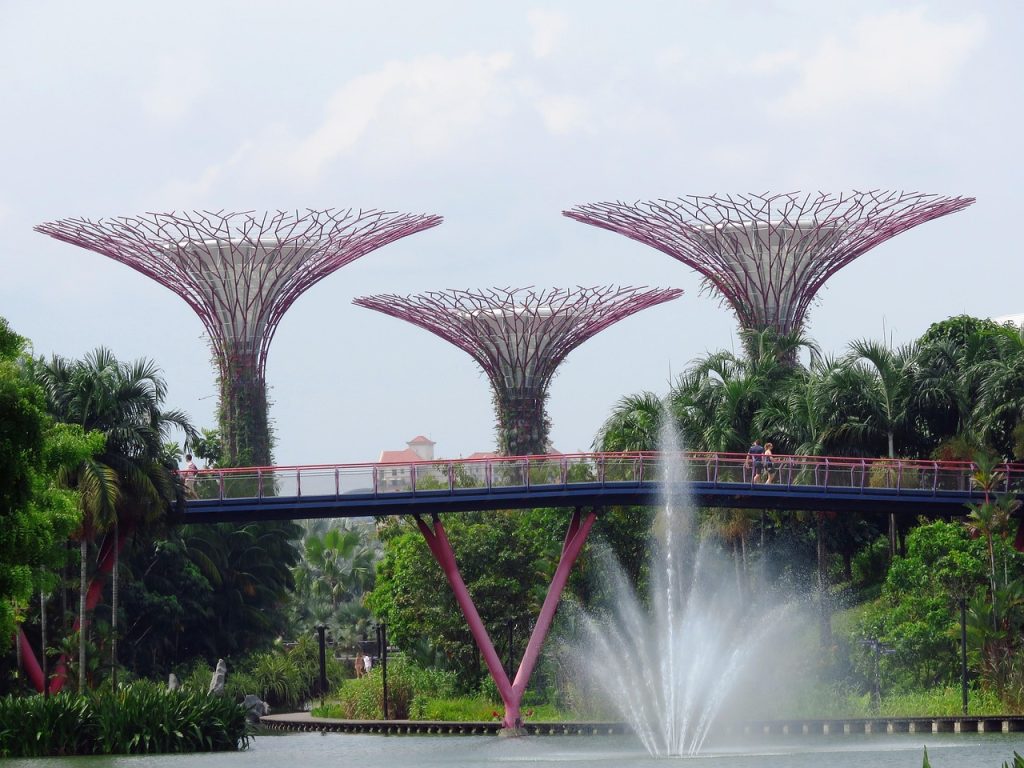
OCBC Skyway: The elevated walkway between Supertrees offers nice views but is short and ticketed. Go if crowds are light; otherwise, the view from ground level is often just as enjoyable.
Food and water: There are cafés and food courts on site, but prices are higher than elsewhere. Bring water—refill stations are available—and take breaks in shaded areas.
Facilities: Clean, plentiful toilets throughout the gardens, including inside conservatories. Benches and shaded spots are well distributed, especially near the Supertrees.
Weather considerations: Outdoor paths can be slick after rain, and thunderstorms may temporarily close elevated areas. The conservatories remain a good backup during downpours.
Getting there: Bayfront MRT (CE1/DT16) is the most convenient stop or Gardens by the Bay MRT Station (Thomson–East Coast Line). Follow the underground signs directly into the gardens. Walking from Marina Bay Sands takes about 10–15 minutes.
Time needed: Allow at least 2–3 hours for a relaxed visit, including one conservatory; 3–4 hours if doing both conservatories and staying for the evening light show.
Spectra Light & Water Show
Spectra is a free nightly light and water show held at Marina Bay Sands, blending fountains, lasers, projections, and music into a dazzling performance. Set against the city’s iconic skyline, the show tells a visual story inspired by Singapore’s journey, innovation, and aspirations. Reflections across the bay enhance the spectacle, making Spectra one of the most popular and memorable evening experiences in the city.
Visiting Notes:
Showtimes: Spectra runs nightly, usually twice per evening (with an extra show on weekends). Check the current times on the Marina Bay Sands website or signage earlier in the day, as schedules can change.
What to expect: This is a visual and musical show, not fireworks. Expect coordinated fountains, projections, and lasers set against the skyline—subtle rather than loud or flashy.
Best viewing spots: The Event Plaza outside The Shoppes at Marina Bay Sands offers the closest, most immersive view with fountains directly in front of you. Across the bay, near the Merlion, gives a wider skyline backdrop but feels more distant.
Arrive early: Get there 15–20 minutes before showtime to secure a good spot, especially on weekends or during holidays. Prime areas along the railing fill quickly.
Standing room only: Most people stand throughout the show (about 15 minutes). If you need to sit or are vertically challenged, arrive early and look for steps or low walls further back.
Weather considerations: The show runs rain or shine, but strong winds or heavy rain can reduce fountain height and clarity. Drizzle is common—bring a small umbrella if needed.
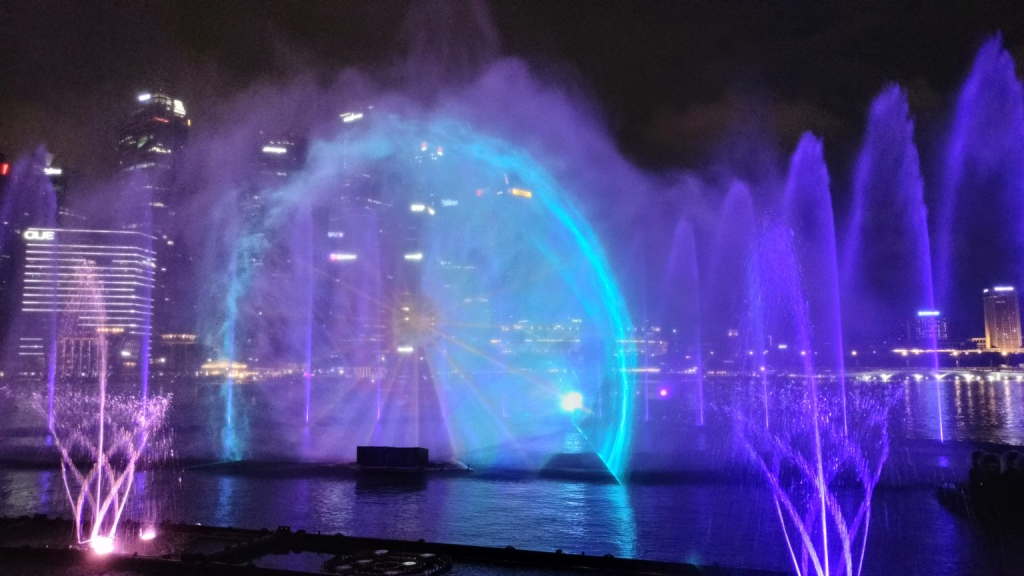
Photography tips: Handheld photography works best; tripods aren’t practical due to crowds. Video captures the experience better than stills, especially for the music and movement.
Combine with nearby sights: Spectra pairs well with an evening walk around Marina Bay, dinner at The Shoppes, or a visit to Gardens by the Bay afterwards, if timing allows.
Facilities nearby: Toilets, food courts, and restaurants are all close by inside The Shoppes. Grab snacks or water beforehand if you plan to wait.
Accessibility: The viewing area is flat and wheelchair accessible, though crowded. Positioning slightly back from the front railing can be more comfortable.
Time needed: Allow about 30–40 minutes total, including waiting time. Once the show ends, crowds disperse quickly.
The Merlion
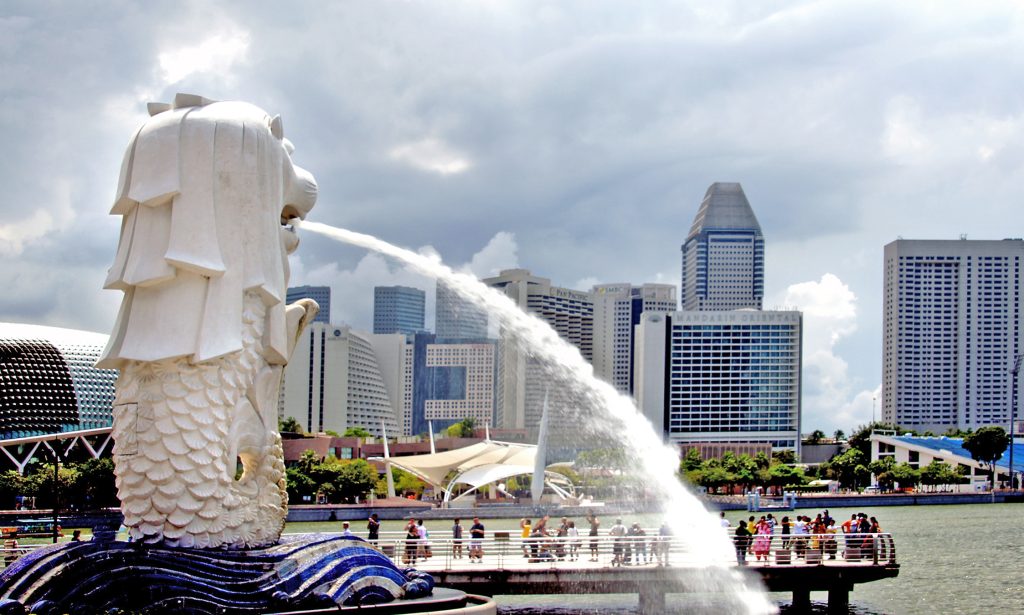
Created in 1964, the Merlion is Singapore’s national symbol, combining the head of a lion with the body of a fish. The lion represents the city’s original name, Singapura (“Lion City”), while the fish symbolises its origins as a fishing village. The statue at Marina Bay remains one of the most photographed sights in the country.
Visiting Notes:
Best time to visit: Early morning is the quietest and coolest, ideal for photos without crowds. Evening is also popular, especially around sunset and after dark when the skyline is lit, but expect more people.
What to expect: The Merlion is iconic but smaller than many expect. Most visits are brief—this is a photo stop rather than a long attraction.
Photography tips: Classic shots are taken from directly in front of the statue with Marina Bay Sands in the background. For wider views, step back along the waterfront promenade. Evening and blue‑hour photos are particularly striking.
Crowds: Tour groups arrive mid-morning and again around sunset. Be patient if you want a clear photo—people move quickly.
Combine with nearby sights: The Merlion works well as part of a Marina Bay walk, linking easily with Spectra, the Helix Bridge, and Gardens by the Bay. It’s rarely worth a dedicated trip on its own.
Weather considerations: The area is fully outdoors with little shade. It can be hot during the day and breezy at night. After rain, the promenade can be slippery in places.
Weather considerations: The area is fully outdoors with little shade. It can be hot during the day and breezy at night. After rain, the promenade can be slippery in places.
Accessibility: The viewing area is flat and step-free, suitable for wheelchairs and pushchairs. Space can feel tight during peak times.
Facilities: No toilets directly at the statue, but public toilets, cafés, and shops are nearby at One Fullerton and along the waterfront.
Time needed: Allow 10–20 minutes for photos and a short stop, longer if you’re waiting for crowds to thin.
Getting there: The closest MRT stations are Raffles Place or Esplanade. From either, it’s a short, pleasant walk along the bay.
Chinatown
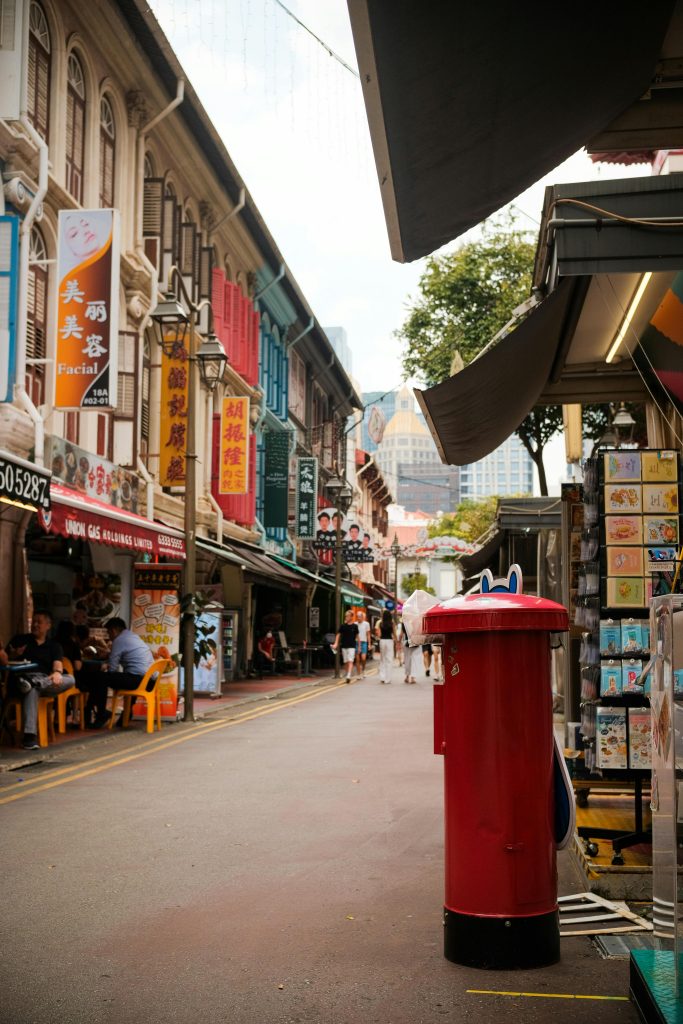
Chinatown traces its roots to the early 19th century, when Chinese immigrants settled near the Singapore River. Today, it preserves traditional shophouses, bustling markets, and historic temples such as the Buddha Tooth Relic Temple. The area reflects the enduring influence of Chinese culture on Singapore’s heritage and daily life.
Buddha Tooth Relic Temple
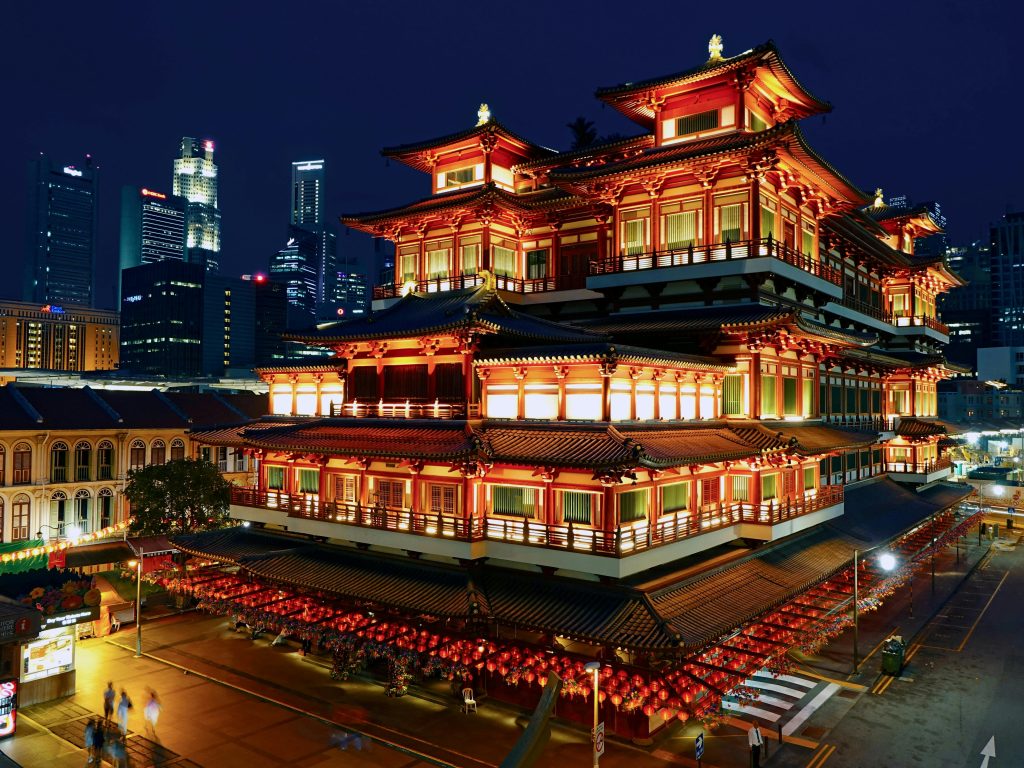
Completed in 2007, the Buddha Tooth Relic Temple is a prominent Buddhist landmark in Singapore’s Chinatown, inspired by Tang‑dynasty Chinese architecture. The temple is believed to house a sacred relic of the Buddha, discovered in Myanmar in 1980. With its richly decorated halls, cultural museum, and rooftop prayer garden, the temple serves as both a place of worship and a centre for learning, reflecting the enduring influence of Buddhism on Singapore’s spiritual and cultural life.
Visiting Notes:
Best time to visit: Late morning is good for temples and shops before the midday heat builds. Evening is livelier for food and atmosphere, especially along Smith Street, but it’s also busier. Midday can feel crowded and hot.
What to expect: Chinatown is a mix of heritage streets, temples, souvenir shops, and excellent food. Some areas feel touristy, but a few streets back, you’ll still find everyday local life.
Key sights: Don’t miss Buddha Tooth Relic Temple (impressive and free to enter), Sri Mariamman Temple (Singapore’s oldest Hindu temple), and Thian Hock Keng Temple near Telok Ayer. Dress modestly for temple visits.
Shopping notes: Pagoda Street is heavy on souvenirs, while nearby streets offer more traditional goods and local shops. Prices are generally fair, but quality varies—browse before buying.
Food tips: This is one of the best areas for eating. Maxwell Food Centre and Chinatown Complex are highlights for hawker food—expect queues at peak times, which usually move quickly. Go earlier if you want a seat.
Crowds: Weekends and evenings are busy, especially around food centres and Pagoda Street. Temples are quieter earlier in the day.
Dress and comfort: Wear light clothing and comfortable shoes. Streets are mostly flat but involve a lot of walking. Shade is limited once you’re moving between blocks.
Weather considerations: Mostly outdoors with covered walkways in places. After rain, pavements can be slick and humid levels rise quickly.
Facilities: Public toilets are available in food centres and larger attractions, such as the Buddha Tooth Relic Temple. Plenty of cafés and convenience stores for water breaks.
Accessibility: Main streets are flat and paved, but some temples have steps, and older buildings may be less accessible. Crowds can make movement slow.
Getting there: Chinatown MRT (DT19/NE4) drops you right in the centre. Telok Ayer MRT is convenient for the temple area. Walking from Marina Bay takes around 20–30 minutes.
Time needed: Allow 1.5–3 hours, depending on whether you’re visiting temples and eating, or just walking through and taking photos.
.
Little India
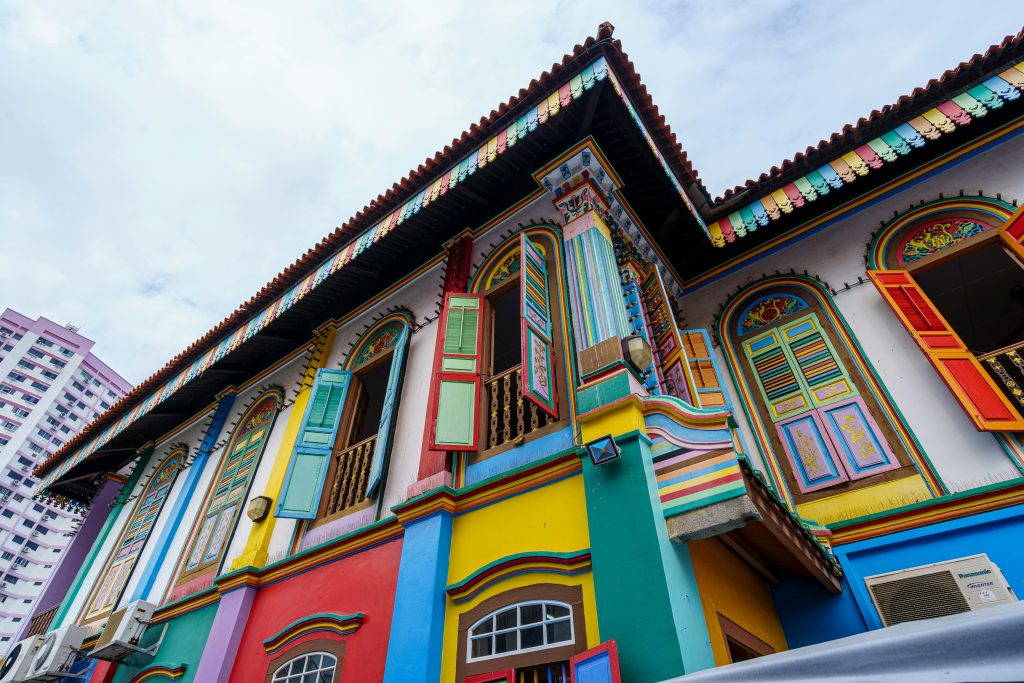
Established by Indian traders and labourers during the colonial era, Little India is one of Singapore’s most vibrant districts. Known for its colourful streets, spice shops, and Hindu temples such as Sri Veeramakaliamman Temple, the area celebrates Indian culture, religion, and festivals, offering a lively sensory experience.
Sri Veeramakaliamman Temple
Built in 1881, Sri Veeramakaliamman Temple is one of Singapore’s oldest and most important Hindu temples, located in the heart of Little India. Dedicated to the goddess Kali, the temple served as a spiritual refuge for early Indian immigrants working during the colonial era. Its vividly coloured gopuram (tower), intricate carvings, and richly decorated interior reflect South Indian architectural traditions and remain a powerful symbol of faith, heritage, and community life in Singapore.
Visiting Notes:
Best time to visit: Late morning is ideal for exploring shops and temples before the heat peaks. Evening is the most atmospheric, with lights, music, and busy streets, but it’s also when crowds are thickest. Midday can be very hot and intense.
What to expect: Little India is colourful, busy, and sensory—expect bright shopfronts, incense, music, and street life. It’s one of the most vibrant neighbourhoods in Singapore and feels very different from Marina Bay.
Key sights: Sri Veeramakaliamman Temple is the main highlight and well worth a visit—dress modestly and remove shoes. Tekka Centre is good for both food and local shopping. Wander side streets for murals and smaller shrines.
Shopping notes: You’ll find everything from spices and textiles to gold jewellery and souvenirs. Prices are generally reasonable, but quality varies—take time to browse before buying.
Food tips: Excellent spot for South Indian and North Indian food. Tekka Centre is the most reliable option for affordable meals. Expect queues at popular spots, especially evenings and weekends.
Crowds: Weekends and evenings are very busy, particularly around Serangoon Road and the temples. Weekday mornings are calmer and easier to navigate.
Dress and comfort: Wear light, breathable clothing and comfortable shoes. Streets are flat but crowded, and you’ll be on your feet most of the time.
Weather considerations: Mostly outdoors with some covered walkways. Heat and humidity can build quickly; rain makes pavements slick and intensifies humidity.
Facilities: Public toilets are available in the Tekka Centre and larger venues. Plenty of cafés, convenience stores, and juice stalls for breaks.
Accessibility: Main roads are flat, but crowds can make movement slow. Some temples have steps and narrow entrances.
Getting there: Little India MRT (DT12/NE7) is central. Farrer Park MRT is a quieter alternative and useful for Tekka Centre.
Time needed: Allow 1.5–2.5 hours for temples, wandering, and food; longer if you plan to shop or eat a full meal.
Sri Veeramakaliamman Temple
Best time to visit: Early morning is the calmest and coolest time to visit, with fewer people and a more contemplative atmosphere. Late afternoon and evening are livelier, especially during prayer times, but can be crowded.
What to expect: This is an active Hindu temple, not just a sightseeing stop. Expect worshippers praying, chanting, and making offerings. The atmosphere is vibrant, devotional, and sometimes noisy.
Dress respectfully: Shoulders and knees should be covered. Avoid very short shorts or sleeveless tops. Shoes must be removed before entering—bring socks if the ground is hot.
Inside the temple: Photography is usually allowed outside but often restricted inside—look for signage or ask before taking photos. Keep voices low, move slowly, and avoid blocking worshippers.
Take your time: The temple is richly decorated with detailed statues of Hindu deities. Spend a few minutes looking up and around—the ceiling and shrine details are easy to miss if you rush.
Crowds: Busier on weekends, evenings, and during religious festivals. Even when busy, visitors tend to move through steadily, so waiting times are usually short.
Sensory experience: Expect incense, flower offerings, ringing bells, and chanting. It can feel intense if you’re not used to it—step outside briefly if needed.
Facilities: There are basic washing areas near the entrance for ritual use. No public toilets inside the temple, but facilities are available nearby at the Tekka Centre.
Accessibility: The main entrance is level, but the space inside can be tight, especially during busy periods. Some areas may be difficult to navigate with crowds.
Combine with nearby sights: The temple fits well into a walk around Little India, combined with Tekka Centre, local shops, and food stalls.
Time needed: Allow 20–30 minutes for a respectful visit, longer if you want to observe prayers or explore the details more slowly.
Getting there: Little India MRT (DT12/NE7) is a short walk away. The temple sits directly on Serangoon Road and is easy to spot.
Kampong Gelam
Kampong Gelam is the historic heart of Singapore’s Malay and Muslim community. Once the seat of Malay royalty in the early 1800s, it is home to the majestic Sultan Mosque, built in 1824. Today, the district blends heritage with modern creativity, featuring traditional shops alongside cafés and boutiques.
Visiting Notes:
Best time to visit: Late morning is ideal for sightseeing before the heat and crowds build. Late afternoon into early evening works well for atmosphere, cafés, and shops. Evenings are lively but busier, especially on weekends.
What to expect: Kampong Glam blends historic Malay‑Arab heritage with a trendy café and boutique scene. It feels more compact than Chinatown or Little India and is easy to explore on foot.
Key sights: Sultan Mosque is the focal point—impressive inside and out. Haji Lane is known for colourful murals and small independent shops, while Arab Street is lined with fabric stores and Middle Eastern cafés.
Dress respectfully (Sultan Mosque): This is an active mosque. Shoulders and knees must be covered; robes are provided if needed. Shoes must be removed before entering. Visitors are welcome outside prayer times.
Inside the mosque: Keep voices low and avoid walking in front of people who are praying. Photography is generally allowed, but be discreet and respectful.
Shopping notes: Arab Street is best for textiles, carpets, and perfumes. Haji Lane is more about fashion and souvenirs. Prices vary—browse before buying.
Food and drink: Excellent area for Middle Eastern, Malay, and café food. Many places are better suited to relaxed meals than quick stops. Evenings are particularly atmospheric for dining.
Crowds: Haji Lane gets very busy from mid-afternoon onwards. Quieter streets nearby offer a more relaxed feel if it becomes too crowded.
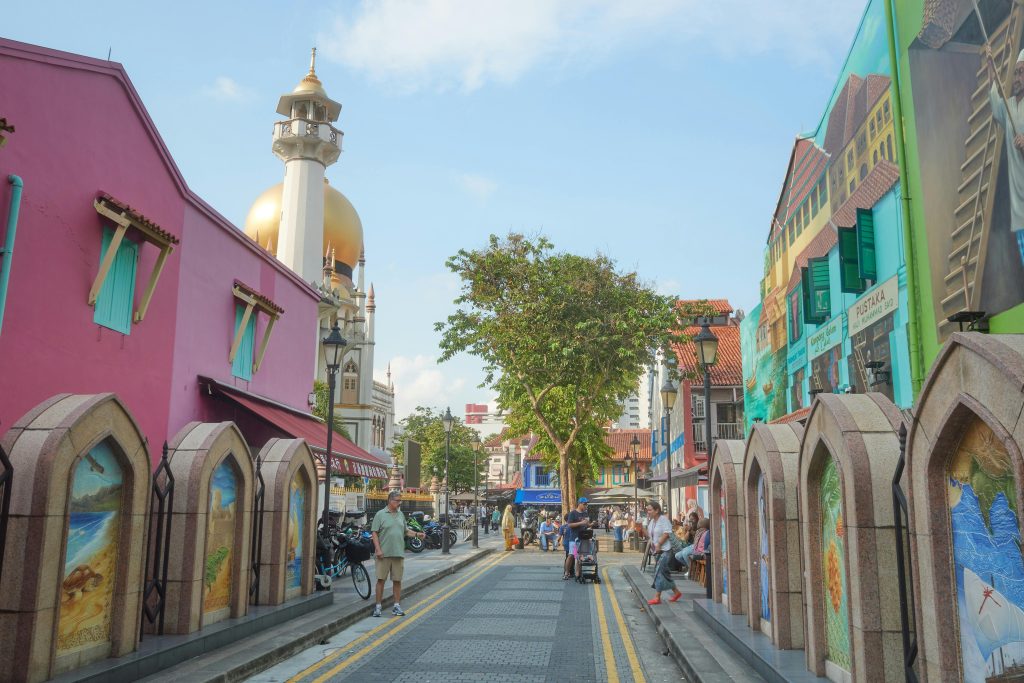
Dress and comfort: Light clothing and comfortable shoes are recommended. Streets are flat and walkable, but shade is limited away from the mosque area.
Weather considerations: Mostly outdoors with some covered walkways. Heat builds quickly during the day; rain can make narrow lanes feel congested.
Facilities: Public toilets are available near the Sultan Mosque and in nearby shopping centres. Plenty of cafés and convenience stores for water breaks.
Accessibility: Main streets are flat, but Haji Lane can be narrow and crowded. Sultan Mosque has steps at entrances, though the staff are helpful.
Getting there: Bugis MRT (DT14/EW12) is the most convenient station. From there, it’s a short walk into Kampong Glam.
Time needed: Allow 1–2 hours for a relaxed visit; longer if you plan to eat or shop.
Singapore Botanic Gardens
Founded in 1859, the Singapore Botanic Gardens is one of the city’s oldest green spaces and a UNESCO World Heritage Site. It played a key role in the development of rubber cultivation, which shaped Southeast Asia’s economy. The gardens are best known for the National Orchid Garden, displaying thousands of orchid varieties.
Visiting Notes:
Best time to visit: Early morning is ideal for cooler temperatures, birdlife, and a peaceful atmosphere. Late afternoon also works well, especially if you want a relaxed walk without the midday heat. Midday can be very hot with limited shade in some areas.
What to expect: This is a large, beautifully maintained public garden rather than a formal attraction. It’s popular with locals for walking and jogging, so it feels lived‑in and relaxed rather than touristy.
Getting around: The gardens are extensive, with multiple entrances. Pick a focus area (such as the Orchid Garden or Swan Lake) rather than trying to see everything in one visit.
National Orchid Garden: This is the only ticketed section and is well worth it if you enjoy flowers. The displays are colourful and well labelled. Allow extra time if visiting, as it’s a little removed from the main entrances.
Dress and comfort: Wear light clothing and comfortable walking shoes—paths are paved, but distances add up quickly. Bring water, sunscreen, and insect repellent, especially if visiting earlier or near wooded areas.
Expect walking: The gardens are much larger than they appear on a map. Even a short visit can involve significant walking, so pace yourself and use benches when needed.
Wildlife notes: You’ll likely see birds, monitor lizards, and squirrels. Keep a respectful distance and don’t feed animals.
Facilities: Clean toilets are spread throughout the gardens, along with cafés and small food outlets near major entrances. Water refill points are available.
Weather considerations: Open lawns offer little shade during midday. After rain, paths can be slick and humidity rises quickly, but the gardens remain pleasant.
Accessibility: Main paths are wide, flat, and wheelchair‑friendly. Some secondary paths are steeper or uneven, but alternatives are usually available.
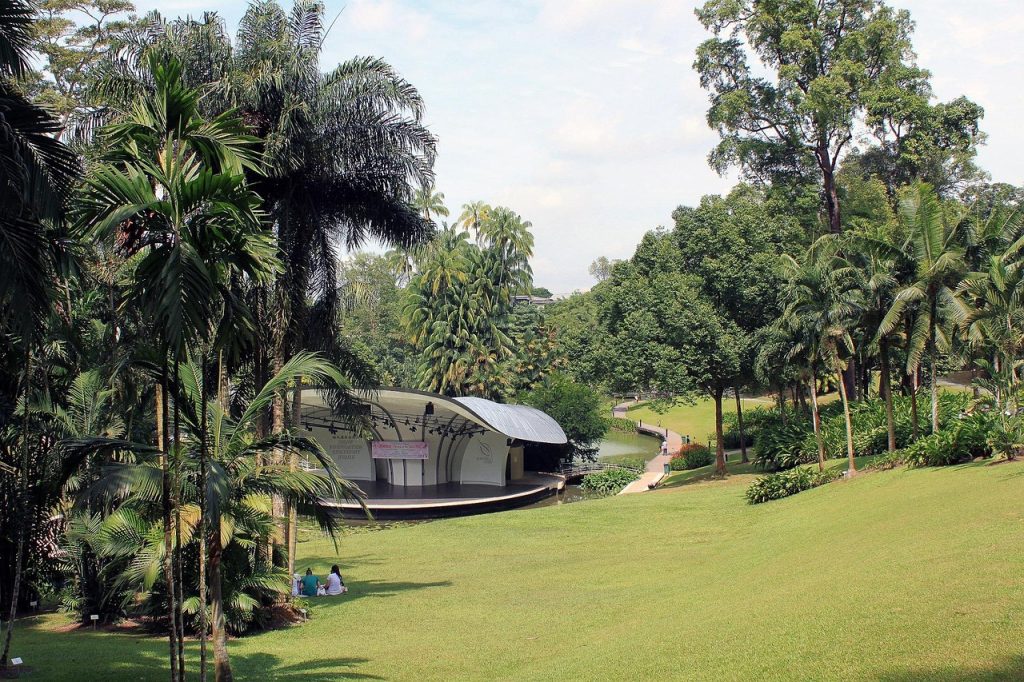
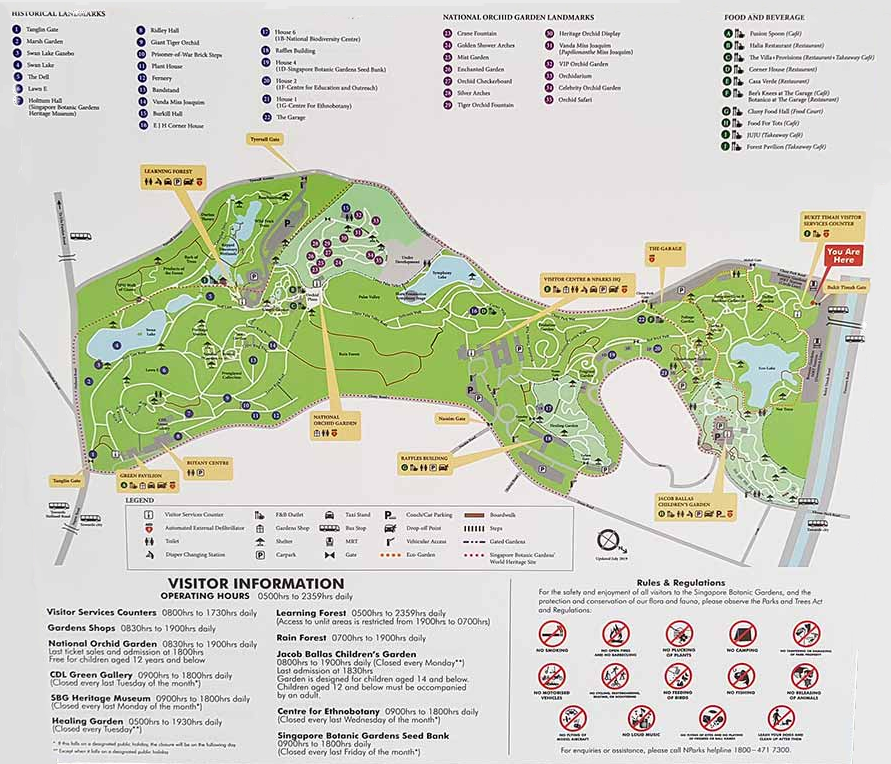
Crowds: Weekends and public holidays are busier, particularly near entrances and the Orchid Garden. Early mornings remain calm even on busy days.
Getting there: Botanic Gardens MRT (CC19/DT9) connects directly to the gardens and is the most convenient entry point. Taxis and Grab are also easy options.
Time needed: Allow 1.5–3 hours for a relaxed visit; longer if including the National Orchid Garden or stopping for food.
Sentosa Island
Once a British military fortress, Sentosa Island has been transformed into Singapore’s leading leisure destination. Its name means “peace and tranquillity” in Malay. Today, it features sandy beaches, resorts, theme parks, and attractions such as Universal Studios Singapore, making it popular with families and visitors.
Nearest Train Station: Harbour Front MRT Station, then Sentosa Express monorail
Visiting Notes:
Best time to visit: Arrive early in the morning to beat the heat and crowds, especially if visiting beaches or popular attractions. Late afternoon works well if you plan to stay into the evening. Weekends and school holidays are noticeably busier.
What to expect: Sentosa is a resort island with beaches, theme parks, viewpoints, and walking trails. It’s spread out and more commercial than central Singapore, so planning makes a big difference.
Plan your focus: Trying to do everything in one day is unrealistic. Decide whether you’re there for beaches, attractions (e.g. Universal Studios), or a relaxed wander, and build your day around that.
Getting around the island: Distances are longer than they look. Use the Sentosa Express monorail, free island buses, or walk between nearby areas. Walking is pleasant in parts but hot at midday.
Beaches: Siloso is the liveliest, Palawan is family-friendly, and Tanjong is the quietest and most relaxed. Beaches are clean and well-maintained, but not wild or secluded.
Dress and comfort: Light clothing, comfortable shoes, and sun protection are essential. Bring swimwear if heading to the beach. A small towel and water bottle are useful.
Food and drink: Plenty of options, but prices are higher than in mainland Singapore. Casual beach bars and food courts are good for convenience; eating earlier or later avoids queues.
Crowds: Universal Studios, cable car stations, and Siloso Beach get crowded from late morning onwards. Quieter spots include Tanjong Beach and walking trails away from attractions.
Weather considerations: Fully exposed in many areas. Heat and humidity build quickly, and sudden rain showers are common—having indoor attractions as backup helps.
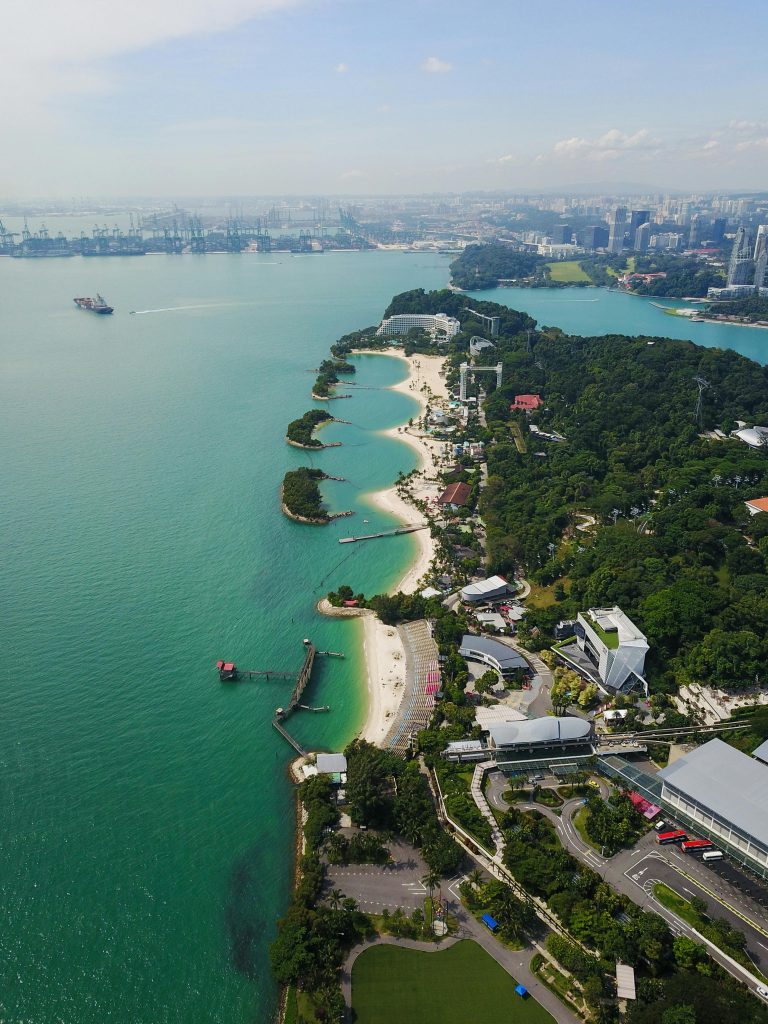
Facilities: Good public toilets throughout the island, showers near beaches, lockers at some attractions, and plenty of shaded rest areas.
Accessibility: Main areas are wheelchair‑friendly with paved paths and transport options, though some beach access points involve sand and steps.
Getting there: The easiest access is via Sentosa Express from VivoCity (HarbourFront MRT). Walking across the Sentosa Boardwalk is also popular and takes about 10–15 minutes. Taxis and Grab can drop you directly on the island.
Time needed: Allow at least half a day; a full day if visiting a major attraction or combining beaches and sightseeing.
Clarke Quay
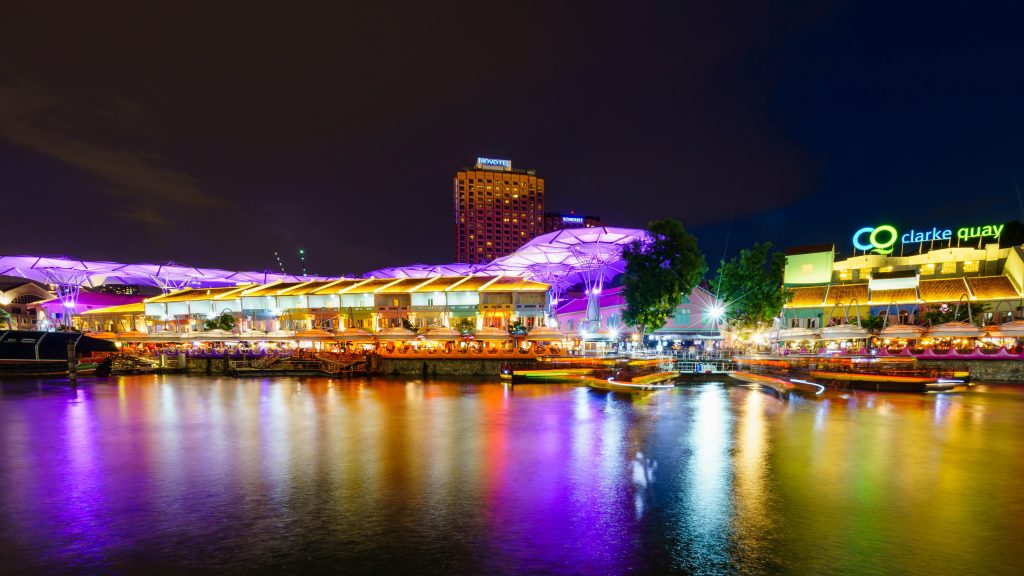
Clarke Quay was once a busy trading hub along the Singapore River, where goods were loaded and unloaded during the 19th century. Restored in the late 20th century, its colourful warehouses now house restaurants, bars, and entertainment venues, blending historical architecture with modern nightlife.
Visiting Notes:
Best time to visit: Evening is when Clarke Quay comes alive, especially from around 7 pm onwards. Late afternoon is quieter if you just want to walk along the river. Daytime is calm but lacks atmosphere.
What to expect: Clarke Quay is primarily a dining and nightlife area rather than a sightseeing stop. It’s colourful, busy at night, and geared towards restaurants, bars, and river views.
Atmosphere: Lively and energetic after dark, with music spilling out from venues. It can feel touristy, but the riverside setting is pleasant, especially for a casual evening stroll.
Food and drink: Wide choice of international restaurants, bars, and pubs. Prices are higher than in hawker centres, but the setting makes it a popular evening stop. Booking is useful on weekends.
Crowds: Busy in the evenings, particularly on Friday and Saturday nights. Quieter on weekday evenings and earlier in the day.
Dress and comfort: Casual dress is fine. Light clothing is best—it stays warm and humid at night. Comfortable shoes help if you’re walking along the river.
River walk: The riverside promenade is a highlight. It’s flat, well-lit, and connects easily to Boat Quay and Robertson Quay, which can feel more relaxed.
Facilities: Public toilets are available within the Clarke Quay complex. Plenty of convenience stores, bars, and restaurants are nearby.
Accessibility: Flat, paved walkways make the area wheelchair‑friendly, though it can feel congested during peak evening hours.
Getting there: Clarke Quay MRT (NE5) exits directly into the area. Walking from Chinatown or Boat Quay takes around 10–15 minutes.
Time needed: Allow 45 minutes to 1.5 hours for a walk and drink; longer if staying for dinner or nightlife.
Boat rides: Singapore River cruises depart nearby and are an easy way to see the city from the water, especially at night when landmarks are lit.
Singapore River Cruises departing from Clarke Quay usually cost around S$24.22 (£14.00) for adults, with lower prices available when booked online. The cruises operate daily, primarily between 10:00 am and 10:30 pm, departing every 15 to 30 minutes, with each trip lasting about 40 minutes. These trips offer views of Clarke Quay, Boat Quay, the Merlion, and Marina Bay Sands. Evening cruises are especially recommended because the skyline is fully illuminated, creating a most atmospheric experience.
Jewel Changi Airport
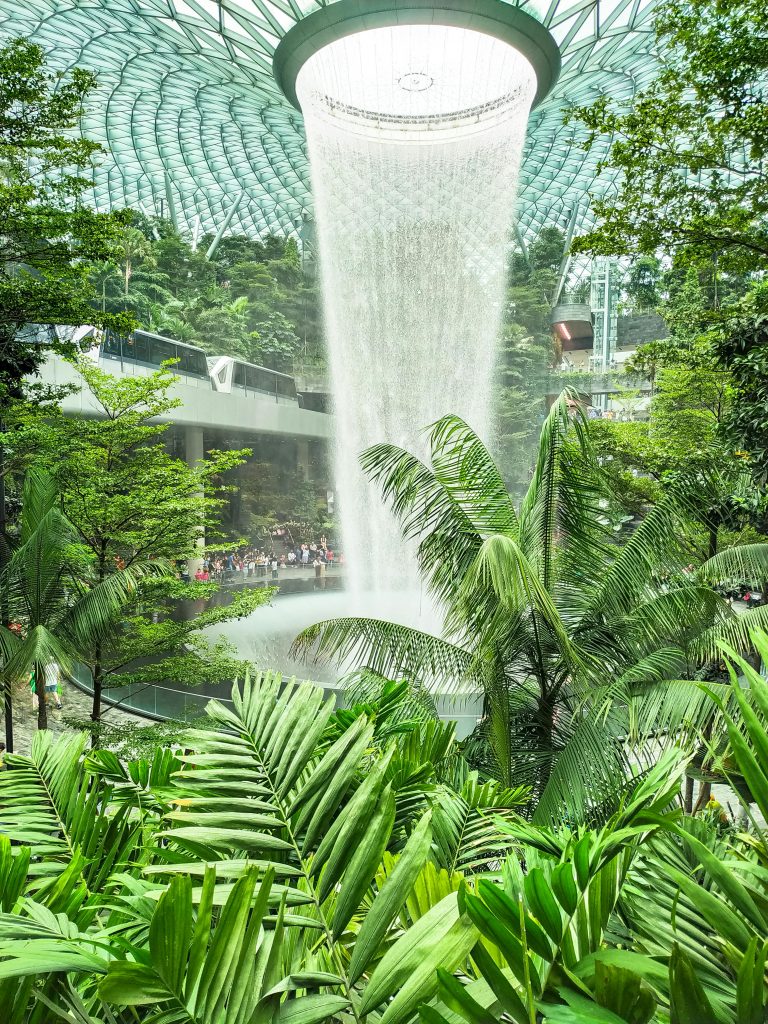
I am sure that traditionally spending the day at the airport is only usually reserved for those working there, frustrated travellers and a special group of people. However, opened in 2019, Jewel Changi Airport is a striking architectural and lifestyle landmark that redefines the airport experience. At its centre is the Rain Vortex, the world’s tallest indoor waterfall, surrounded by a lush indoor forest known as the Shiseido Forest Valley. Blending nature, retail, dining, and entertainment, Jewel reflects Singapore’s vision of combining innovation with greenery, and serves as both a welcoming gateway to the nation and a destination in its own right.
Nearest Train Station: Changi Airport MRT Station
Visiting Notes:
Best time to visit: Early morning is the calmest if you want photos with fewer people. Late afternoon into evening is lively and works well if you’re combining Jewel with dinner or a night flight. Weekends and school holidays are very busy.
What to expect: Jewel is a shopping, dining, and leisure complex, not just an airport mall. It’s centred around the indoor Rain Vortex waterfall, surrounded by gardens, walkways, and multiple levels of shops and food.
Rain Vortex: The waterfall runs throughout the day, with a light and sound show at night. Views are best from the upper levels or from the bridges in the Forest Valley. It’s impressive even if you only have a short stop.
Getting your bearings: Jewel is large and multi-level. Lifts and escalators are well signposted, but it’s easy to wander—give yourself buffer time if you’re catching a flight.
Dress and comfort: Air‑conditioned throughout, so a light layer can be useful. Comfortable shoes help, especially when exploring the gardens or walking multiple levels.
Food and drink: A huge range from food courts to sit-down restaurants. Prices vary, but there are plenty of reasonably priced options. Peak mealtimes can mean queues.
Canopy Park (ticketed): Located on the top level, with attractions like walking nets, mazes, and gardens. Worth it if you have time; otherwise, the free areas still offer plenty to see. The Canopy Park Entrance Ticket starts from S$8.00 (£4.70) and bundles are available that include the Hedge Maze, Canopy Park and Canopy Bridge, typically ranging from about S$9 (£5.25) to S$17 (£10).
Shopping: A mix of international brands, Singapore labels, and travel-friendly stores. Good place for last-minute souvenirs or gifts before flying.
Crowds: Busy most of the day, especially around the Rain Vortex viewing areas. Expect congestion in the evening and during peak travel periods.
Facilities: Excellent toilets, lockers, prayer rooms, baby‑care facilities, and plenty of seating. Free Wi‑Fi throughout.
Accessibility: Fully accessible with lifts, ramps, and wide walkways. Staff are helpful if assistance is needed.
Getting there: Directly connected to Changi Airport Terminal 1; easily accessible from Terminals 2 and 3 via walkways or Skytrain. Entry for the main complex is free.
Time needed:
Allow 45–60 minutes for a quick look; 2–3 hours if eating, shopping, or visiting Canopy Park.
ArtScience Museum
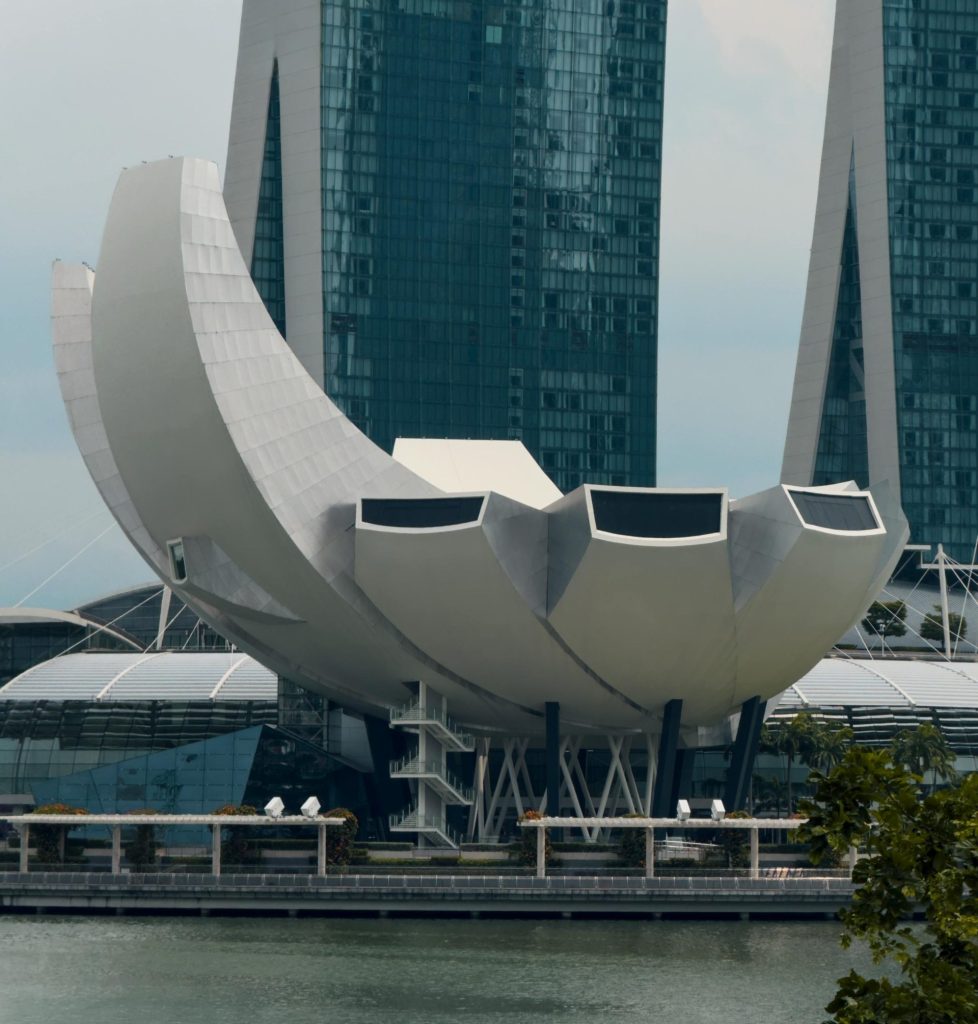
Opened in 2011, the ArtScience Museum is one of Singapore’s most distinctive cultural landmarks, instantly recognisable by its lotus‑inspired design beside Marina Bay. The museum explores the intersection of art, science, technology, and culture through rotating exhibitions and immersive digital installations, including the popular Future World gallery. Symbolising creativity and innovation, the ArtScience Museum reflects Singapore’s ambition to be a global hub for ideas, design, and forward‑thinking expression.
Nearest Train Station: Bayfront MRT Station (Downtown Line & Circle Line)
Visiting Notes:
Best time to visit: Late morning or early afternoon works well. Mornings are quieter, while evenings can be busier with people combining the visit with Marina Bay sights. Weekends and school holidays are noticeably more crowded.
What to expect: ArtScience Museum focuses on rotating exhibitions, often interactive and digital rather than traditional art displays. Experiences vary depending on what’s on, so it’s worth checking the current exhibitions in advance.
Signature experience: Future World is the most popular exhibition, featuring immersive digital installations. It’s visually striking but can feel busy—allow time to move through at a relaxed pace.
Crowd management: Timed entry is often used, especially for popular exhibitions. Even inside, some interactive areas may have short waits—be patient and move on if something feels too crowded.
Photography: Photography is generally allowed, and many exhibits are designed for it. Low light levels mean phone cameras often perform better than standard cameras. Be mindful not to block others.
Dress and comfort: The museum is fully air-conditioned, so a light layer can be useful. Comfortable shoes are recommended, as you’ll be standing and walking for most of the visit.
Pace yourself: Exhibitions are not large but are dense. Take your time—rushing reduces the impact, especially in immersive spaces.
Facilities: Clean toilets are available inside the museum. Lockers may be limited depending on the exhibition, so avoid bringing large bags.
Accessibility: The museum is wheelchair‑friendly with lifts and wide spaces, though some interactive installations may have limited access depending on design.
Combine with nearby sights: Easy to pair with Marina Bay Sands, Spectra Light & Water Show, or a walk to Gardens by the Bay. It fits well into a Marina Bay half‑day or evening plan.
Getting there: Located at Marina Bay Sands. Bayfront MRT (CE1/DT16) is the most convenient stop, with clear signs through The Shoppes.
Time needed: Allow 1–1.5 hours for a single exhibition; 2 hours if visiting multiple galleries or moving slowly through interactive displays.
Raffles Hotel
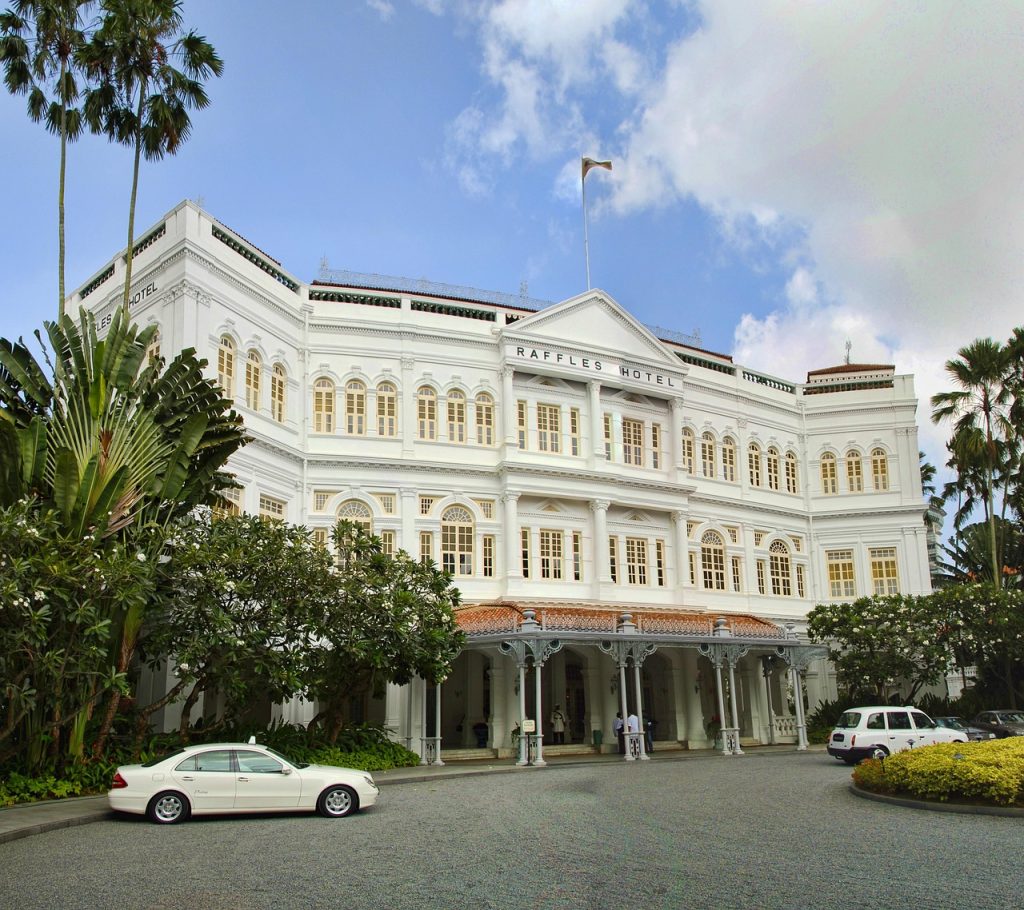
Opened in 1887, Raffles Hotel is one of Singapore’s most iconic heritage landmarks and a symbol of colonial‑era elegance. Named after Sir Stamford Raffles, the founder of modern Singapore, the hotel became a gathering place for writers, artists, and travellers, including Rudyard Kipling and Somerset Maugham. Famous as the birthplace of the Singapore Sling cocktail, its grand white façades, tropical courtyards, and timeless luxury reflect the city’s layered history and enduring prestige.
Nearest Train Station: City Hall MRT Station or Esplanade MRT Station
Visiting Notes:
Best time to visit: Late morning or early afternoon is ideal for exploring the public areas when it’s quieter. Evening works well if you’re visiting for drinks or dinner, but it’s busier.
What to expect: Raffles is a historic luxury hotel, famous for its colonial architecture and heritage rather than being a conventional attraction. You’re welcome to explore designated public areas even if you’re not staying.
Dress and atmosphere: Smart‑casual is appropriate. While there’s no strict dress code for walking around, beachwear and very casual clothing can feel out of place, especially in bars and restaurants.
Long Bar (Singapore Sling): The birthplace of the Singapore Sling is a popular stop. Expect queues and higher prices—it’s more about the experience than the drink itself. Peanut shells are traditionally thrown on the floor, which brings back memories of the Magpie and Stump in Banff, although I expect their beer prices were a little cheaper.
Wandering the hotel: Take time to stroll the courtyards, arcades, and gardens. The atmosphere is calm and elegant, offering a nice contrast to the busier parts of the city.
Shopping arcade: Small boutiques and souvenir shops line the interior arcades. Good for high-quality gifts, though prices reflect the setting.
Photography: Photography is allowed in public areas. Early in the day is best for uncluttered shots of the architecture and courtyards.
Crowds: Tour groups and Sling drinkers peak from late morning through afternoon. Even when busy, the hotel rarely feels rushed.
Facilities: Clean, well-maintained toilets are available in public areas. There is plenty of seating in shaded courtyards.
Accessibility: Ground-level walkways are generally accessible, with lifts available in some areas. Staff are attentive and helpful if assistance is needed.
Combine with nearby sights: Easy to pair with a walk to Bras Basah, City Hall, or Bugis, or as a calm stop between busier sightseeing areas.
Getting there: City Hall MRT (EW13/NS25) or Bugis MRT (DT14/EW12) are both within a short walk. Taxis and Grab are convenient for a direct drop-off.
Time needed: Allow 30–60 minutes for a walk around; longer if stopping for a drink, afternoon tea, or a meal.